
A straighter smile can improve confidence, but many adults and teens hesitate at the thought of wearing noticeable metal braces. Clear aligners offer a more discreet way to address certain tooth-alignment concerns while allowing patients to remove their appliances for meals and daily brushing.
For anyone researching clear aligners in Spring Hill, FL, understanding the process is an important first step. Aligners can be convenient, but they still require professional planning, consistent wear, and careful oral hygiene. They also are not the right solution for every orthodontic concern.
This article provides general education and is not a diagnosis or treatment recommendation. A dentist or orthodontist must examine the teeth, gums, bite, and dental history to determine whether clear aligners are appropriate.
What Are Clear Aligners?
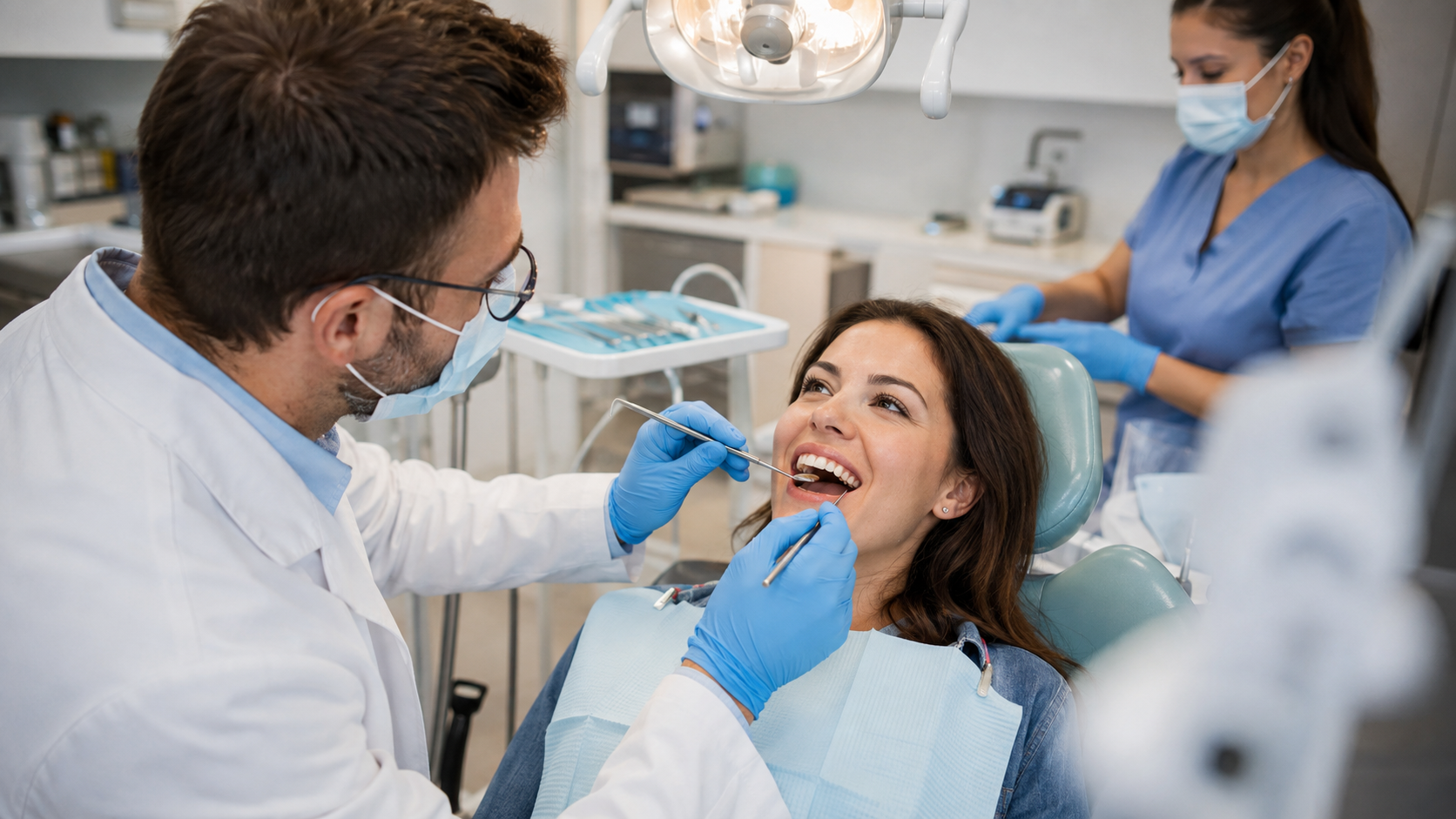
Clear aligners are a series of custom-made, removable trays designed to guide natural teeth toward planned positions. The trays are typically made from transparent dental plastic and fit closely over the teeth, making them less noticeable than conventional brackets and wires.
Rather than adjusting a single appliance throughout treatment, a patient moves through a sequence of trays. Each set represents a small step in the overall treatment plan. The prescribing dentist or orthodontist monitors progress and decides when the patient should advance to the next set.
Clear aligners may help address selected cases involving:
- Crowded or overlapping teeth
- Small spaces between teeth
- Certain rotated teeth
- Some overbite, underbite, or crossbite concerns
- Teeth that have shifted after previous orthodontic treatment
The type and severity of the problem matter. More complicated tooth movement, significant jaw discrepancies, active gum disease, or extensive restorative needs may require another approach or coordinated care with multiple dental professionals.
How Clear Aligner Treatment Works
1. Dental and bite evaluation
Treatment should begin with an in-person examination. The clinician evaluates tooth position, the way the upper and lower teeth meet, gum health, existing dental work, and any missing or damaged teeth. Dental images or X-rays may be recommended when needed to assess areas that cannot be evaluated by looking in the mouth alone.
This step helps identify oral health concerns that should be managed before teeth begin moving. It also allows the clinician to determine whether aligners can produce a healthy, realistic result.
2. Digital treatment planning
If the patient appears to be a suitable candidate, digital scans or impressions are used to create a model of the teeth. Specialized planning software helps the clinician map the intended movements and design the sequence of trays.
A computer preview can be useful for explaining the plan, but it should not be treated as a guaranteed picture of the final result. Teeth do not always respond exactly as a digital model predicts, which is why professional monitoring remains important.
3. Wearing each set of trays
Aligners generally need to be worn for most of the day and removed only as directed for eating, drinking certain beverages, brushing, and flossing. The exact wear schedule and the timing for changing trays depend on the treatment plan.
Consistency is essential. Leaving the trays out too often can allow teeth to lag behind the planned movement, affect how the next tray fits, or extend treatment.
4. Progress visits and refinements
Periodic visits allow the dental team to check tray fit, oral health, and tooth movement. Some patients need additional scans and refinement trays to improve the result or address teeth that did not move as expected.
Published clinical literature has described clear aligners as a patient-friendly orthodontic option in appropriately selected and professionally managed situations. However, treatment suitability remains individual, particularly when care involves surgery or complex bite correction.
5. Retention after treatment
Teeth can gradually shift after active orthodontic treatment. A retainer helps support the new alignment. Patients should follow the clinician’s instructions for retainer wear and continue routine dental visits after treatment ends.
Benefits and Limitations to Consider
Why patients may prefer clear aligners
The nearly transparent appearance is the most familiar advantage, but it is not the only one. Because the trays are removable, patients can generally continue eating their usual foods rather than avoiding items that might damage brackets or wires.
Removability can also make brushing and flossing more familiar. Patients still need to clean carefully, but they can access the tooth surfaces without working around fixed orthodontic hardware.
Other possible advantages include:
- A smooth appliance without metal brackets
- Greater discretion at work, school, or social events
- The ability to remove trays briefly for meals and oral hygiene
- Digital planning that helps explain the intended tooth movements
What clear aligners cannot promise
Clear does not mean effortless. Aligners can create temporary pressure or tenderness, especially after a tray change. They also demand more day-to-day responsibility than a fixed appliance because the patient controls how consistently they are worn.
Attachments may be placed on selected teeth to help the trays grip and guide movement. These small tooth-colored shapes are usually discreet, although they may make the aligners slightly more visible.
Some cases are more predictable with traditional braces or other orthodontic techniques. In other cases, aligners may be one part of a larger plan rather than a stand-alone solution. An ethical provider should explain both the advantages and the limitations before treatment begins.
Living With Clear Aligners
Daily habits can make treatment more comfortable and help protect the teeth.
- Remove trays before eating. Chewing with aligners can damage or stain them unless the treating clinician gives different instructions.
- Be careful with drinks. Water is usually the simplest choice while trays are in place. Colored, acidic, or sugary drinks can become trapped against the teeth or discolor the trays.
- Brush before reinserting them. Placing trays over food debris can increase plaque buildup and unpleasant odors.
- Clean trays gently. Follow the provider’s instructions and avoid very hot water, which may distort dental plastic.
- Use the storage case. A tray wrapped in a napkin can easily be thrown away at a restaurant.
- Contact the provider about poor fit. A tray that will not seat properly, develops a sharp edge, or causes unusual discomfort should be evaluated.
Mild pressure may occur as teeth respond to a new tray, but severe pain, significant gum swelling, trauma, or a sudden change in the bite should not be ignored. Patients with concerning symptoms should contact a dental professional promptly.
Why Oral Health Comes Before Tooth Movement
Straightening teeth works best in a healthy mouth. Cavities, gum inflammation, broken teeth, and infection may need attention before aligner therapy begins. Moving teeth without addressing active disease can complicate treatment and make home care more difficult.
A professional cleaning may also be recommended. Once treatment begins, regular preventive visits remain important because aligners do not replace dental checkups.
Patients can support their oral health by brushing thoroughly, cleaning between the teeth each day, limiting frequent sugary snacks, and keeping the trays clean. If gums bleed repeatedly or remain swollen, the dental team should be informed.
Clear Aligners, Missing Teeth, and Dental Implants
Patients with missing teeth or dental implants require especially thoughtful planning. Natural teeth can be moved orthodontically, while an implant is fixed within the jaw and does not respond like a natural tooth to orthodontic forces.
For that reason, the order of treatment matters. In some situations, natural teeth may need to be aligned before an implant is placed so the future restoration has appropriate space. A patient who already has an implant may still be eligible for aligners, but the plan must account for the implant’s fixed position.
This distinction is particularly relevant when a patient is considering both cosmetic alignment and tooth replacement. Dental Implants of Spring Hill explains that dental implants replace failing or missing teeth by supporting fixed replacement teeth. Coordinating implant and orthodontic planning can help avoid conflicting treatment goals.
How Much Do Clear Aligners Cost in Spring Hill?
There is no single fee that applies to every patient. Clear aligner cost can vary according to the complexity of the bite, the amount of movement needed, the number of trays, treatment length, follow-up care, refinement policies, and whether retainers are included.
Patients comparing clear aligners in Spring Hill, FL should request a written estimate and ask what the quoted fee covers. Useful questions include:
- Are the examination and digital scans included?
- Does the fee include progress visits?
- Are refinement trays included if they become necessary?
- Is the final retainer included?
- What happens if a tray is lost or damaged?
- Does the office accept applicable dental insurance benefits?
- Are payment plans or financing options available?
Insurance coverage varies by plan and may include age restrictions, orthodontic limits, waiting periods, or lifetime maximums. Patients should review both the provider’s estimate and their insurer’s explanation of benefits rather than assuming treatment will be fully covered.
Choosing a Clear Aligner Provider
The brand name on the tray is only one part of treatment. Diagnosis, planning, monitoring, and the provider’s response when teeth do not move as predicted are equally important.
Before starting, patients may want to ask:
- Who will diagnose and supervise the case?
- Will an in-person dental examination take place first?
- How will gum health and the bite be evaluated?
- How often will progress be reviewed?
- What treatment alternatives are available?
- What concerns could make aligners unsuitable?
- How are unexpected problems or refinements handled?
A trustworthy consultation should feel informative rather than rushed. The patient should understand the proposed goal, responsibilities, limitations, estimated cost, and retention plan before agreeing to treatment.
Frequently Asked Questions
Are clear aligners completely invisible?
No. They are transparent and often less noticeable than metal braces, but they can still be seen at close range. Tooth-colored attachments, saliva, or staining may make them more visible.
Can a patient eat normally with clear aligners?
Patients can generally eat a broad range of foods because trays are removed for meals. The teeth should be cleaned before the aligners are put back in whenever possible.
Do clear aligners hurt?
Temporary pressure or tenderness may occur when a new tray begins guiding the teeth. Severe, persistent, or unusual pain is not something a patient should simply tolerate; the treating dental professional should be contacted.
Can clear aligners fix every bite problem?
No. They can address many alignment concerns, but some complex tooth movements or jaw-related problems may be better managed with braces, additional appliances, surgery, or coordinated specialist care.
Are clear aligners appropriate for someone with crowns or implants?
Possibly. Crowns, bridges, and implants affect planning in different ways. An individual examination is necessary, and treatment may need coordination between restorative and orthodontic providers.
What happens if an aligner is lost?
The patient should contact the provider rather than guessing which tray to wear next. Depending on fit and treatment progress, the clinician may recommend returning to a previous tray, advancing, or ordering a replacement.
Will a retainer be needed afterward?
Retention is generally part of maintaining orthodontic results. The provider will recommend the appropriate retainer and wear schedule based on the patient’s treatment and ongoing needs.
Take the Next Step With an In-Person Conversation
Clear aligners can provide a discreet and flexible path toward a straighter smile, but successful care begins with a healthy mouth, an accurate diagnosis, and realistic expectations. Patients should look beyond convenience and choose professionally supervised treatment that accounts for their bite, gums, restorations, and long-term dental goals.
If you are exploring clear aligners while also considering care for missing, damaged, or failing teeth, contact Dental Implants of Spring Hill to ask about available evaluation options and whether coordinated dental care or a referral may be appropriate. The office is located at 120 Medical Blvd, Suite #109, Spring Hill, FL 34609. Bringing questions to a consultation is a simple, reassuring way to clarify the next step for your smile.