Here at Dental Implants of Spring Hill, we believe that the dental process should be efficient. Instead of seeing multiple doctors, multiple appointments and multiple bills, we pride ourselves on being able to provide the care our patients need, no matter what it is, under one roof. Our state-of-the-art lab allows us to be able to design, fabricate, and place our patients implants without ever having to outsource any part of the process. Having the opportunity to do everything out of our office in Spring Hill, FL also allows us to offer the highest quality care while maintaining pricing that other implant centers aren’t able to provide.


Dental implants are medical-grade titanium posts surgically placed into the jawbone to replace missing tooth roots. They support crowns, bridges, or full arch restorations while helping preserve bone structure and chewing function.
Most healthy adults with adequate bone density and healthy gums qualify for dental implants. A detailed consultation, including imaging and medical review, determines suitability and identifies any need for preparatory procedures.
With proper placement, routine maintenance, and consistent oral hygiene, dental implants can last decades. Longevity depends on overall health, bone quality, and regular professional dental evaluations.
Implant placement is performed under local anaesthesia or sedation. Most patients report minimal discomfort during the procedure and manageable soreness during recovery with prescribed medications.
Yes, implants can support bridges or full arch prosthetics to replace several or all missing teeth. Treatment planning focuses on structural stability, long-term durability, and natural function.
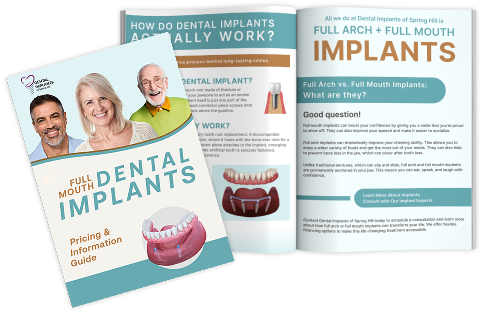
Full mouth implant treatment replaces an entire upper or lower arch using strategically positioned implants and fixed prosthetic teeth. This approach restores chewing strength and improves overall oral function.
Yes, dental implants stimulate the jawbone through functional pressure, helping maintain bone density and reduce the progressive bone loss commonly associated with missing teeth.
Although uncommon, implant failure may occur due to infection or poor integration. In many cases, the implant can be removed, the area allowed to heal, and replacement considered.
Daily brushing, flossing, and routine professional cleanings are essential. Regular examinations allow early detection of issues and ensure long-term implant success.