
You can quickly compare professional in-office whitening, dentist-prescribed take-home kits, and effective over-the-counter options available near Spring Hill, FL to find the best fit for your schedule, sensitivity level, and budget. A dentist-led consultation in Spring Hill helps determine the safest, fastest path to a brighter smile by addressing staining type, dental health, and realistic expectations.
This article explains why tooth stains happen, what each whitening option involves, how to manage sensitivity, and when whitening might not be appropriate — all from the perspective of a neighborhood dental expert committed to patient comfort. Expect clear guidance on choosing a local provider, what to expect during treatment, and simple aftercare steps that keep results longer and protect oral health.
Understanding Tooth Discoloration
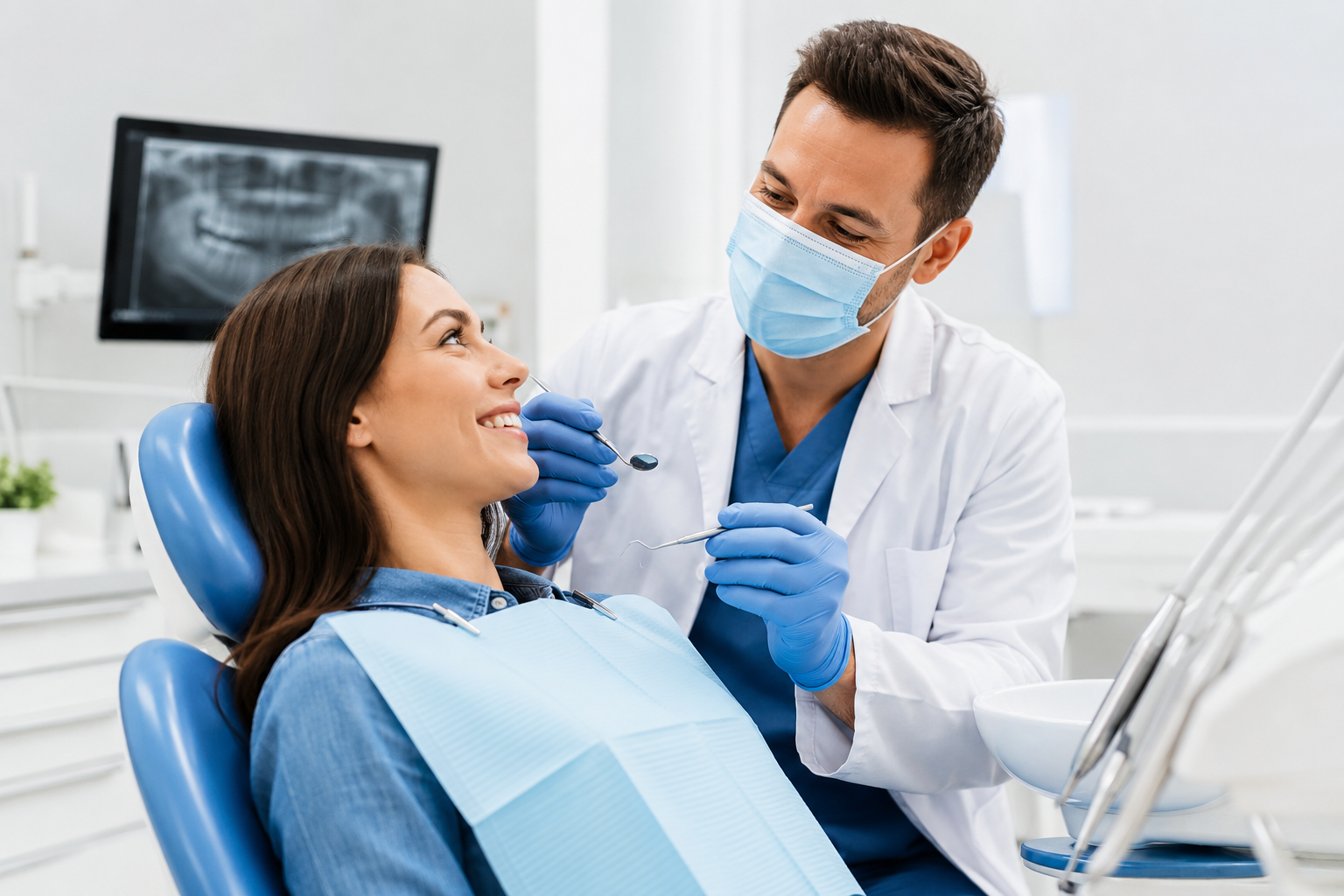
Tooth color changes come from both external staining and internal changes to the tooth structure. Understanding the specific causes helps patients choose the right whitening approach and avoid treatments that won’t work.
Common Causes of Stained Teeth
Extrinsic stains sit on the enamel surface and come from foods and drinks such as coffee, black tea, red wine, cola, and dark berries. Tobacco use (smoking or chewing) produces sticky tar and nicotine that darken enamel over months to years. Poor oral hygiene lets plaque and tartar build up; these deposits trap pigments and make stains harder to remove with brushing alone.
Intrinsic stains affect the dentin beneath enamel. Long-term use of certain antibiotics (like tetracycline during tooth development) and excessive fluoride exposure in childhood can discolor teeth internally. Dental trauma and large fillings or root canal treatment can also darken a tooth from the inside. Aging combines both types: enamel thins while dentin naturally yellows, making teeth appear darker.
How Tooth Color Changes Over Time
Enamel naturally thins with age due to wear, acid erosion, and micro-abrasions from chewing. As enamel thins, the yellowish dentin beneath becomes more visible, so even well-cared-for teeth can appear less bright over decades. Lifestyle accelerators — daily coffee, acidic soft drinks, smoking — increase surface roughness and stain uptake, speeding visible change.
Biological factors also play a role. Genetics determine baseline enamel thickness and dentin color, so some people start with naturally darker teeth. Medical treatments, like chemotherapy or prolonged antibiotics during childhood, can produce lasting intrinsic discoloration. Regular professional cleanings, avoiding known staining agents, and using appropriate whitening methods can slow or reverse many of these changes.
Professional Whitening Treatments
Professional whitening options in Spring Hill, FL include faster in-office systems and dentist-prescribed take-home kits. Both approaches use stronger bleaching agents than over-the-counter products and include professional assessment, custom fit, and monitoring to protect enamel and gum health.
In-Office Whitening Procedures
In-office whitening typically uses 25–40% hydrogen peroxide or carbamide peroxide applied by a dental professional. The clinician isolates gums with a rubber dam or protective gel, applies the whitening gel, and may activate it with a LED or laser light to accelerate results. Sessions usually last 45–90 minutes and commonly produce 4–8 shades of improvement in a single visit depending on the stain type.
Dentists assess tooth sensitivity risk and may pre-treat with desensitizing agents or use lower-strength gels in multiple short cycles. Patients with restorations, active decay, or gum disease may need treatment or alternative plans first. Costs range higher than retail products, but care is supervised and results are immediate.
Take-Home Whitening Kits from Your Dentist
Take-home kits contain custom-made acrylic trays and a measured bleaching gel (typically 10–22% carbamide peroxide). The dentist takes impressions or a digital scan to craft trays that fit snugly, minimizing gum contact and reducing irritation compared with generic strips. Patients wear trays for 30 minutes to overnight based on the prescribed concentration and sensitivity profile.
Follow-up appointments allow the dentist to check progress and adjust wear time. Typical treatment spans 1–2 weeks for daytime wear or 2–6 weeks for overnight use. These kits blend convenience with professional oversight and often maintain results longer when combined with occasional touch-up gel.
Safety and Effectiveness of Professional Methods
Professional whitening shows predictable shade improvement when teeth are free of untreated cavities and periodontal disease. Dentists evaluate restorations, root canal-treated teeth, and intrinsic stains (like tetracycline) that may not respond well to bleaching; alternatives such as veneers might be recommended. Sensitivity is the most common side effect; it usually resolves within days and can be managed with potassium nitrate toothpaste or in-office desensitizing applications.
Proper clinical supervision reduces risks like uneven whitening or gum chemical burns. Results longevity depends on diet, smoking, and oral hygiene; touch-ups every 6–12 months may help preserve shade. Patients are encouraged to consult their Spring Hill dentist to choose the safest, most effective option for their dental history and aesthetic goals.
At-Home Whitening Solutions
Patients can find effective, lower-cost whitening options they use at home. These choices vary in strength, speed, and risk of sensitivity, so picking the right one depends on tooth condition and lifestyle.
Over-the-Counter Whitening Strips
Whitening strips contain peroxide-based gel on thin, flexible plastic that adheres to teeth for a set time each day. Most store brands use 6–14% hydrogen peroxide or equivalent carbamide peroxide; higher concentrations work faster but raise the chance of gum irritation and tooth sensitivity.
Typical treatment spans 7–14 days with visible improvement after several days. Users should follow timing instructions precisely and avoid overlapping strips onto gums. Common side effects include temporary sensitivity and mild gum irritation; these usually resolve within days after stopping treatment.
Strips whiten primarily surface and some intrinsic stains but cannot correct deep discoloration from trauma or certain medications. They work best on natural teeth, not on crowns, veneers, or fillings, which will not change color. Patients with active dental work or significant restorations should consult a dentist first.
Whitening Toothpastes and Mouthwashes
Whitening toothpastes use mild abrasives or low concentrations of peroxide to remove surface stains and polish enamel. Abrasive formulas provide gradual improvement for coffee, tea, or tobacco stains but do not change intrinsic color.
Peroxide-containing toothpastes and mouthwashes can offer minor bleaching over weeks but are less potent than strips or professional treatments. Toothpaste labeled “whitening” typically needs consistent use for 4–6 weeks to show small changes.
Patients concerned about enamel wear should choose low-abrasivity (RDA) toothpastes and avoid aggressive scrubbing. Mouthwashes with peroxide may help maintain results after a stronger treatment, but they deliver lower peroxide exposure and take longer to act.
Natural Remedies and Their Limitations
Common home remedies include baking soda, hydrogen peroxide rinses, activated charcoal, and oil pulling. Baking soda mildly abrades stains and can be safe occasionally, but daily abrasive use risks enamel erosion if used improperly.
Diluted hydrogen peroxide rinses offer some whitening effect, yet incorrect concentration or prolonged exposure increases sensitivity and gum irritation. Activated charcoal can remove surface stains but lacks strong clinical evidence and may scratch enamel or interfere with fluoride.
Oil pulling presents anecdotal benefits but no solid evidence for whitening compared with proven methods. Dentists caution against replacing clinically tested treatments with unregulated remedies, especially when underlying dental issues like decay or gum disease exist. Consulting a dental professional before trying at-home natural methods reduces the risk of harm and sets realistic expectations.
What to Expect During Treatment
Patients receive a clear timeline and steps before any whitening begins, including expected duration, costs, and aftercare. The clinic outlines comfort options and sensitivity management so people know what sensations to expect and how long they might last.
Typical Appointment Process
A dental assistant reviews medical history and asks about previous tooth sensitivity and restorations. The dentist examines teeth for cavities, worn enamel, or crowns that won’t whiten; any issues are addressed or noted before proceeding.
For in-office whitening, the patient’s gums are isolated with a rubber dam or protective gel, and a concentrated peroxide gel is applied in two to three 15–20 minute sessions. A curing light or laser may be used between gel applications to accelerate the process, so total chair time typically lasts 60–90 minutes.
If using take-home trays, the office takes impressions and fabricates custom trays. The patient receives instructions on gel amount, daily wear time (usually 30 minutes to overnight, depending on product), and a follow-up visit in one to two weeks to assess results and adjust the plan.
Managing Sensitivity and Discomfort
Mild to moderate sensitivity during and after whitening is common, especially for those with thin enamel or recent restorations. Sensations usually feel like brief cold or pressure sensitivity and often peak 24–48 hours after treatment before subsiding.
Dentists recommend desensitizing toothpaste (potassium nitrate or sodium fluoride) beginning a week before and continuing for two weeks after whitening. For pronounced sensitivity, the clinician can apply topical fluoride varnish or prescribe a higher-strength desensitizing gel for short-term use.
Patients should avoid very hot, cold, or acidic foods and drinks for 48 hours after treatment to reduce irritation. If sensitivity persists beyond two weeks or becomes severe, the office schedules an evaluation to check for underlying issues or alternative whitening strategies.
Caring for Your Brighter Smile
Maintain the whitening results by following practical daily habits and periodic professional care. Small routine steps and a few lifestyle changes keep teeth brighter longer without added complexity.
Tips for Maintaining Results
Brush twice daily with a fluoride toothpaste and use a soft-bristled brush to avoid enamel wear. Recommend a whitening toothpaste with mild abrasive agents no more than 3 times per week to reduce surface stains without increasing sensitivity.
Floss daily to remove plaque between teeth where stains can set and use an antiseptic mouthwash once a day to reduce stain-causing bacteria.
Schedule touch-up treatments as advised by the dental team — many patients benefit from a short at-home tray treatment every 6–12 months.
Manage sensitivity by using a desensitizing gel or toothpaste containing potassium nitrate; apply nightly until sensitivity eases.
Keep up with professional cleanings every 4–6 months to remove new surface stains and check for restorations that may need polishing or replacement.
Foods and Habits to Avoid
Limit or rinse after consuming high-stain items: coffee, black tea, red wine, cola, berries, soy sauce, and tomato-based sauces. Sip staining drinks through a straw when possible to reduce contact with front teeth.
Avoid tobacco entirely — smoking and vaping cause deep, persistent staining and increase the need for frequent whitening.
Cut back on acidic foods and drinks (citrus, soda, sports drinks) that soften enamel and make stains easier to set; wait at least 30–60 minutes to brush after acid exposure.
Reduce habits that wear enamel, such as aggressive brushing, teeth grinding, and chewing ice. These increase discoloration and can expose dentin, which looks yellow.
If medications cause discoloration, have the dentist review alternatives or preventive steps to manage long-term staining.
When Whitening May Not Be Suitable
Some patients will not get safe or predictable whitening results because of tooth structure, restorations, or active oral health problems. A dentist should evaluate sensitivity, decay, crowns, and staining type before starting any whitening plan.
Dental Conditions that Impact Results
Active tooth decay, unchecked gum disease, and exposed tooth roots increase the risk of pain and uneven whitening. Bleaching agents penetrate enamel and dentin; they can irritate inflamed gums and reach sensitive root surfaces, causing sharp, prolonged sensitivity.
Existing restorations—crowns, veneers, composite fillings—do not respond to peroxide-based whiteners. That mismatch can leave natural teeth lighter while restorations stay their original shade, requiring replacement or staining-matching afterward.
Tetracycline staining, intrinsic discoloration from trauma, and long-term fluoride staining often resist in-office and at-home bleaching. A clinical exam, radiographs, and shade mapping help determine whether whitening will help or whether restorative or internal bleaching approaches are needed.
Alternative Options for Tough Stains
For stains that bleaching won’t fix, dentists offer targeted restorations like porcelain veneers, ceramic crowns, or composite bonding. These options mask color permanently and can correct shape or spacing at the same time.
Internal bleaching treats darkened non-vital teeth by placing a bleaching agent inside the tooth; dentists use it when root canal-treated teeth darken from internal changes. It requires careful isolation and periodic follow-up to avoid complications.
Microabrasion removes superficial intrinsic-mineral stains using an abrasive-acid slurry for localized defects. Dentists may combine microabrasion with whitening or bonding for optimal color match. Patients should discuss durability, costs, and sensitivity management when choosing alternatives.
Why Choosing a Local Expert Matters
Local specialists combine clinical skill with community-tailored care, practical safety measures, and realistic expectations about results and maintenance. They guide patients through product choices, chairside procedures, and follow-up that fit Spring Hill lifestyles and schedules.
Personalized Care in Spring Hill
A Spring Hill dentist evaluates tooth shade, enamel thickness, existing restorations, and sensitivity before recommending whitening. They perform an intraoral exam and take digital photos or shade tabs to set a target color that looks natural for a patient’s skin tone and age.
Treatment plans often mix in-office power whitening for fast results and custom take-home trays for touch-ups. That approach reduces uneven whitening and lowers the chance of overtreatment. Local practices also consider medications and medical history common in the area—like diabetes or tobacco use—so recommendations sync with overall health.
Clear pricing, appointment availability, and language preferences matter locally. Patients benefit from staff who know neighborhood insurance patterns and can schedule follow-ups around community events or work hours.
Ensuring Safe and Lasting Outcomes
A licensed Spring Hill provider uses regulated bleaching agents at safe concentrations and follows protocols to protect gums and restorations. They isolate soft tissues, monitor reaction during treatment, and adjust strength or time if sensitivity emerges.
For lasting results they check for leaky crowns, stained composite fillings, or enamel defects that whitening won’t fix. When restorations need replacing, the dentist times whitening first so new crowns or veneers match the post‑whitened shade.
Dentists also advise on maintenance: professional cleanings every 6–12 months, avoiding high‑stain foods for the first 48 hours, and using touch‑up trays or whitening toothpaste as prescribed. This combination of clinical control and personalized home care minimizes relapse and unexpected outcomes.
If questions arise or a sensitivity issue develops, local clinics provide prompt follow‑up and adjustments that remote options cannot match.
Next Steps for a Confident Smile
They should schedule an initial consultation with a Spring Hill dentist to review whitening goals and oral health. A quick exam ensures no untreated decay or gum issues interfere with safe whitening.
They can choose between in-office, take-home, or over-the-counter options based on lifestyle and budget. The dentist will explain expected results, timeframes, and any sensitivity risks so the patient can pick confidently.
They should follow a personalized plan for maintenance after whitening to protect results. Recommendations often include whitening touch-ups, avoiding staining foods and drinks, and using a soft-bristled brush plus fluoride toothpaste.
They may ask about combined care if restorations (crowns, veneers) are present, since restorations won’t change color with bleaching. The dentist can match or replace restorations as needed for a uniform smile.
They should check for promotions or financing if cost is a concern; many practices offer flexible payment options. Scheduling during a slower week can also speed up appointment availability.
They can prepare questions ahead of the visit to make the consultation efficient. Suggested questions: “Which method suits my teeth?”, “How long will sensitivity last?”, and “What maintenance do you recommend?”
They are encouraged to call or book online to discuss options and set the first appointment. A short visit will clarify choices and create a comfortable, realistic plan for a brighter smile.
Frequently Asked Questions
This section answers common concerns about safety, comfort, expected longevity, and limitations of whitening. It explains how to protect restorations, prevent new stains, and when dental problems should be addressed before treatment.
What are the safest ways to whiten my teeth if I have sensitive teeth?
For sensitive teeth, dentists often recommend low-concentration peroxide in take-home trays or professional in-office systems that use desensitizing protocols. Desensitizing agents like potassium nitrate or fluoride varnish applied before or after whitening reduce nerve irritation.
Short-contact whitening formats and fewer consecutive days of treatment lower sensitivity risk. Dentists can tailor the regimen and pause treatment if discomfort develops.
How do in-office whitening treatments compare to take-home trays in terms of results and comfort?
In-office whitening delivers faster, more noticeable shade changes—often several shades in a single visit—because it uses higher peroxide concentrations under professional supervision. Patients may experience brief sensitivity afterward but the dentist can apply protective gels and manage discomfort immediately.
Take-home trays provide gradual, controlled whitening with lower peroxide levels, which usually causes less sensitivity and greater comfort over time. Results take longer but allow for safer customization and touch-ups at home.
How long do whitening results typically last, and what can I do to keep my smile bright?
Whitening typically lasts from six months to three years depending on diet and oral hygiene. Avoiding frequent staining foods and drinks and using a whitening toothpaste twice weekly helps maintain results.
Regular dental cleanings every six months and occasional at-home touch-ups with trays or over-the-counter strips extend the effect. Smokers and heavy coffee or red wine drinkers often need more frequent maintenance.
Can crowns, veneers, or fillings be whitened, and what are my options if they don’t change color?
Crowns, veneers, and composite fillings do not respond to peroxide whitening. If restorations don’t match the newly whitened teeth, replacement or resurfacing is the usual solution.
Dentists can plan whitening before replacing visible restorations so the new restorations match the desired shade. Discuss material choices—porcelain and newer ceramics hold color well.
What foods, drinks, or habits are most likely to stain teeth, and how can I prevent new stains?
Coffee, black tea, red wine, cola, soy sauce, and deeply colored berries stain teeth most readily. Tobacco products cause heavy, persistent discoloration.
Rinsing with water after consuming staining items, using a straw for dark beverages, and brushing within 30–60 minutes helps prevent stains. Regular professional cleanings remove surface buildup before it becomes harder to remove.
How do I know whether I’m a good candidate for whitening, or if I should treat cavities or gum issues first?
A dental exam with X-rays confirms whether cavities, worn enamel, or gum disease are present. Dentists recommend treating active decay, exposed root surfaces, or periodontal inflammation before whitening to avoid pain and uneven results.
Healthy restorations and gum tissue improve safety and predictability of whitening. A dental professional will assess staining type and advise the most suitable approach for each patient.