
Finding the right family dentist in Spring Hill, FL can make dental care feel simpler, more comfortable, and easier to keep up with over time. A great family dental office does more than clean teeth. It helps children build healthy habits, supports adults through busy seasons of life, and guides older patients through changing oral health needs with compassion and clarity.
For many families, the ideal dental home is one where everyone feels welcome, questions are encouraged, and treatment options are explained in everyday language. Whether someone is scheduling a child’s first visit, looking into replacing missing teeth, or simply trying to stay on top of preventive care, the right dentist can make each step feel less stressful.
This guide explains what a family dentist does, which services are helpful to look for, and how patients can choose a dental practice that fits their needs in Spring Hill and the surrounding area.
This article is for general educational purposes only and is not a diagnosis or treatment recommendation. Anyone with tooth pain, swelling, bleeding, dental injury, or concerns about treatment should consult a licensed dental professional for personalized care.
What Does a Family Dentist Do?
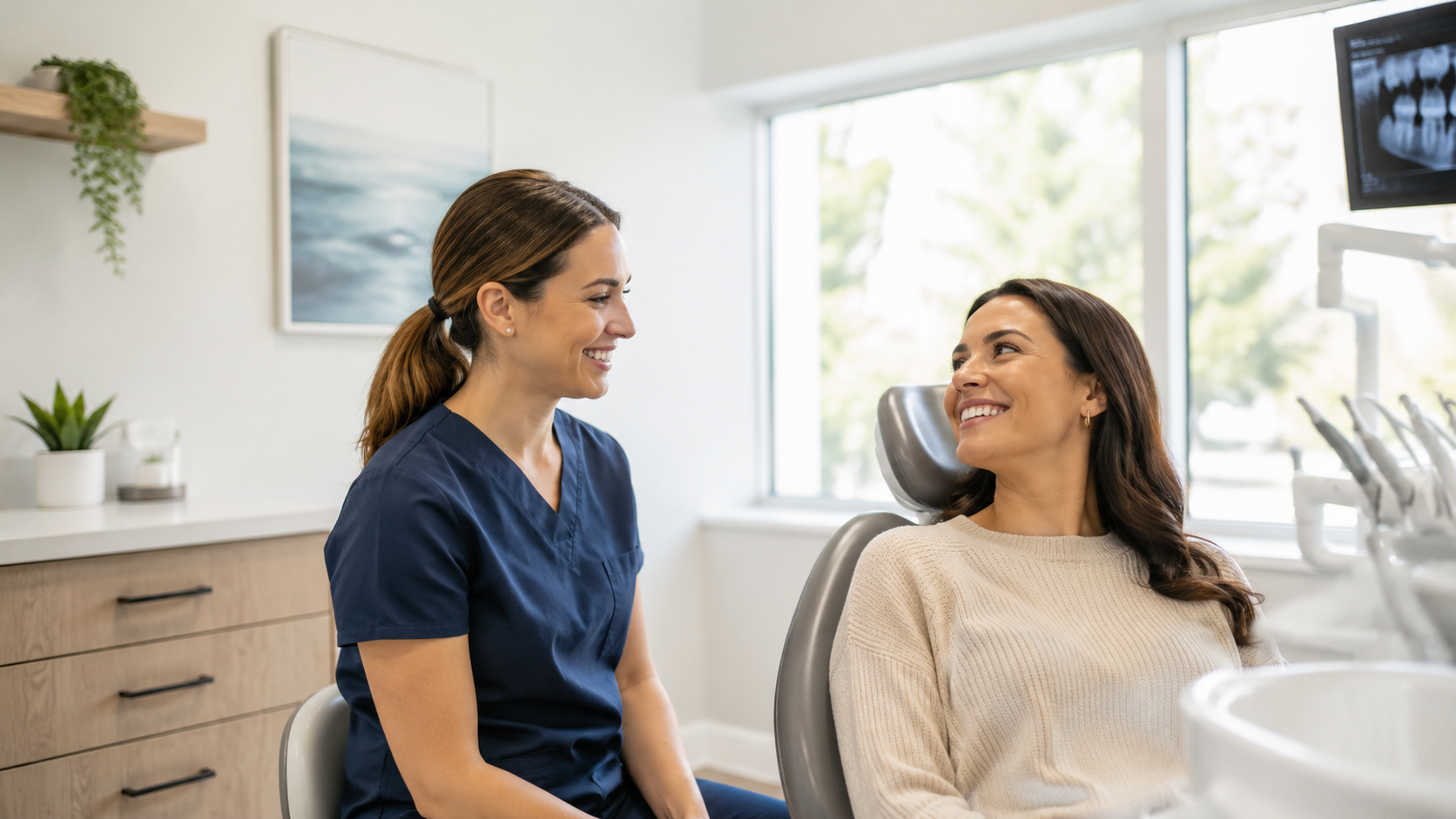
A family dentist provides dental care for patients across many ages and stages of life. Instead of visiting separate offices for children, adults, and older family members, many households choose one trusted practice that can care for everyone.
Family dentistry typically focuses on prevention, early detection, routine maintenance, and treatment planning. That may include dental exams, cleanings, X-rays, fillings, gum care, crowns, tooth replacement options, and patient education.
The biggest benefit is continuity. When a dental team gets to know a family over time, they can better understand dental history, habits, concerns, and goals. This familiarity can help patients feel more comfortable and may make it easier to spot changes in oral health early.
Why Having a Dental Home Matters
A dental home is a place where patients can return regularly for ongoing care. It is not just where someone goes when a tooth hurts. It is where preventive visits, treatment planning, and long-term oral health support happen.
For children, a consistent dental home can help reduce fear and build confidence. Familiar faces, gentle explanations, and positive experiences can shape how a child feels about dental care for years.
For adults, a dental home makes it easier to stay on schedule with cleanings and exams. Busy workdays, family responsibilities, and life changes can make dental visits easy to postpone. A trusted office can help patients stay organized and informed.
For seniors, ongoing dental care can support chewing comfort, speech, appearance, and overall quality of life. Changes such as dry mouth, gum recession, medication side effects, tooth wear, and missing teeth may require more personalized attention.
Services to Look for in a Family Dentist in Spring Hill, FL
Every dental office is different, but patients often benefit from choosing a practice that offers a wide range of services under one roof. This can reduce the need for multiple referrals and make care more convenient.
Preventive Dental Care
Preventive care is the foundation of family dentistry. Regular exams and cleanings help remove plaque and tartar, check for cavities, evaluate gum health, and monitor changes that may not be obvious at home.
A family dentist may also recommend fluoride treatments, sealants for children or teens, oral hygiene coaching, and personalized tips for brushing and flossing. These small steps can help prevent bigger problems later.
Restorative Dentistry
Even with good home care, teeth can still develop cavities, chips, cracks, or wear. Restorative dentistry focuses on repairing teeth so they can function comfortably again.
Common restorative services include tooth-colored fillings, crowns, bridges, and treatment for damaged or weakened teeth. A helpful dentist will explain why a repair is needed, what options are available, and what patients can expect before, during, and after treatment.
Dental Implants and Tooth Replacement
Missing teeth can affect more than appearance. They may change how someone chews, speaks, and feels when smiling. They can also allow nearby teeth to shift over time.
Dental implants are one modern option for replacing missing teeth. An implant is designed to act like an artificial tooth root, supporting a crown, bridge, or denture depending on the patient’s needs. Not everyone is a candidate for implants right away, so a consultation and evaluation are important.
Patients looking for a family dentist in Spring Hill, FL may appreciate an office that can discuss both everyday dental care and tooth replacement options in a calm, easy-to-understand way.
Gum Health Support
Healthy gums are essential for healthy teeth. Gum disease can begin quietly, often with symptoms such as bleeding when brushing, tenderness, bad breath, or gum recession. In some cases, patients may not notice obvious symptoms at first.
A family dentist can check gum health during routine visits and recommend cleanings or periodontal care when needed. Early attention can help manage gum problems before they become more advanced.
Cosmetic Dental Options
Many patients want a smile that feels healthy and confident. Cosmetic options may include teeth whitening, bonding, veneers, or crowns, depending on the person’s goals and oral health.
A good family dentist will help patients understand what is realistic, what is safe for their teeth, and which treatments may offer the most natural-looking results. Cosmetic dentistry should support oral health, not replace it.
Emergency Dental Guidance
Dental emergencies can happen at inconvenient times. A cracked tooth, knocked-out tooth, severe toothache, swelling, or lost restoration can be stressful.
When choosing a dental office, it helps to ask how urgent concerns are handled. Patients should know who to call, what symptoms require prompt attention, and how the practice helps patients manage unexpected dental problems.
What Makes a Family Dental Office Feel Comfortable?
Comfort is not only about the dental chair. It begins with the first phone call and continues through every step of the visit. Patients often remember how they were greeted, whether their questions were answered, and whether the team explained treatment clearly.
A patient-centered dental office should make care feel approachable. That may include gentle communication, modern technology, clear treatment plans, and a respectful approach to dental anxiety.
Many people feel nervous about the dentist because of a past experience, fear of discomfort, embarrassment about their teeth, or uncertainty about cost. A compassionate dental team understands these concerns and does not judge. Instead, the team helps patients take the next step at a comfortable pace.
How to Choose the Right Family Dentist
Choosing a dentist is a personal decision. The best fit is usually a combination of clinical experience, communication style, convenience, and trust.
Look for Clear Communication
Patients should feel comfortable asking questions. A dentist should be able to explain findings, show images when helpful, and describe treatment options in plain language.
Clear communication also includes honest discussions about timing. Some dental needs are urgent, while others can be planned in stages. Understanding the difference helps patients make informed decisions.
Consider Services for the Whole Family
A family dental practice should be prepared to support different needs. Children may need cavity prevention and habit counseling. Adults may need restorations, gum care, or cosmetic services. Older patients may need dentures, implants, or support for dry mouth and tooth wear.
When one office can guide many of these needs, scheduling and long-term planning often become easier.
Ask About Technology and Treatment Options
Modern dental technology can help make care more efficient, precise, and comfortable. Digital X-rays, intraoral cameras, 3D imaging, and updated restorative materials may improve how dentists diagnose and explain care.
Technology alone does not make a practice great, but it can support better communication and treatment planning when used thoughtfully.
Think About Convenience
Location, hours, appointment availability, and scheduling policies all matter. A dentist may be highly skilled, but if visits are hard to schedule or too far from home, families may delay care.
Patients in Spring Hill may want to look for a dental office that is easy to reach, responsive by phone, and helpful with appointment reminders.
Pay Attention to the First Visit
The first visit can reveal a lot. Patients can notice whether the office feels organized, whether the team listens, and whether the dentist takes time to explain findings.
A positive first visit should leave patients feeling informed rather than pressured. Treatment recommendations should make sense, and patients should have an opportunity to ask about options, costs, and timelines.
Family Dentistry for Children: Building Confidence Early
Children benefit from dental visits that feel friendly, calm, and predictable. A family dentist can help young patients learn how to brush, floss, and understand why dental care matters.
Early visits may include counting teeth, checking bite development, looking for cavities, and giving parents guidance on snacks, thumb-sucking, pacifiers, or sports mouthguards. These visits can also help children become familiar with the dental setting before more involved care is ever needed.
Parents can support a positive experience by using simple language, avoiding scary words, and treating dental visits as a normal part of staying healthy.
Family Dentistry for Adults: Prevention During Busy Years
Adults often juggle work, caregiving, school schedules, and daily responsibilities. Dental care may slip down the priority list until something hurts. Unfortunately, waiting for pain can lead to more complex treatment needs.
Routine visits allow a dentist to catch small cavities, monitor gum health, and address clenching, grinding, sensitivity, or worn teeth. Adults can also discuss cosmetic goals, replacement options for missing teeth, or ways to improve at-home care.
A supportive family dentist helps patients protect their smiles without making them feel guilty about missed visits. The goal is progress, not perfection.
Family Dentistry for Seniors: Supporting Comfort and Function
As patients age, oral health needs can change. Gums may recede, enamel may wear down, and certain medications may contribute to dry mouth. Existing fillings, crowns, bridges, or dentures may need maintenance or replacement over time.
Seniors may also face challenges with chewing comfort or loose teeth. A family dentist can evaluate these concerns and discuss practical options, including restorations, dentures, implant-supported solutions, or gum care.
The goal is to help patients maintain comfort, nutrition, confidence, and quality of life through thoughtful dental care.
Questions to Ask Before Scheduling
Before choosing a family dentist in Spring Hill, FL, patients may want to ask a few helpful questions:
- Does the office see children, adults, and seniors?
- What preventive services are recommended for different ages?
- How does the practice handle dental anxiety?
- Are tooth replacement options, such as dental implants, available or discussed?
- How are dental emergencies handled?
- What payment options or financing discussions are available?
- Will treatment plans be explained before care begins?
These questions can help patients understand whether the practice’s approach matches their expectations.
How Preventive Care Saves Time and Stress
Preventive dentistry is one of the simplest ways to protect a smile. Brushing and flossing at home are important, but professional visits provide a deeper level of care.
During a routine exam, a dentist can identify small problems before they become painful. A hygienist can remove hardened tartar that a toothbrush cannot clean away. Patients can also receive personalized guidance based on their teeth, gums, diet, and habits.
For families, preventive care can reduce last-minute dental surprises. It also helps children learn that dentistry is not only about fixing problems; it is about staying healthy.
When to Call a Dentist Sooner
Some dental symptoms should not be ignored. Patients should contact a dentist promptly if they notice:
- Persistent tooth pain or sensitivity
- Swelling in the gums, jaw, or face
- Bleeding gums that do not improve
- A cracked, broken, or knocked-out tooth
- A loose adult tooth
- Pain when chewing
- A lost crown, filling, bridge, or denture problem
- Mouth sores that do not heal
Prompt evaluation can help determine what is happening and what treatment may be appropriate. Dental pain and swelling can worsen, so it is better to ask for guidance early.
FAQ About Choosing a Family Dentist in Spring Hill, FL
How often should patients visit a family dentist?
Many patients benefit from dental exams and cleanings about every six months, but the right schedule depends on individual needs. Patients with gum disease, frequent cavities, dry mouth, or certain health conditions may need more frequent visits. A dentist can recommend a personalized schedule.
Can one family dentist treat both children and adults?
Yes, many family dentists care for children, teens, adults, and seniors. This can make scheduling easier and help the dental team understand the family’s oral health history over time.
What should a patient bring to a first dental visit?
Patients should bring identification, insurance information if applicable, a list of medications, medical history details, and any recent dental X-rays if available. It also helps to bring questions or concerns so they can be discussed during the appointment.
Is it normal to feel nervous about seeing the dentist?
Yes. Dental anxiety is common, and a compassionate dental team will understand. Patients can let the office know about their concerns when scheduling. Many practices can explain each step, allow breaks, and create a calmer experience.
What is the difference between a family dentist and a general dentist?
A general dentist provides a wide range of dental services for adults and may also see children. A family dentist typically emphasizes care for multiple ages within the same practice. In many cases, the services overlap, but the family-focused approach can be especially convenient for households.
Can a family dentist help with missing teeth?
Many family dentists can evaluate missing teeth and discuss replacement options such as bridges, dentures, or dental implants. The best option depends on oral health, bone support, budget, preferences, and overall treatment goals.
What if a patient has not been to the dentist in years?
It is never too late to return to dental care. A supportive dentist will focus on the current situation and the next practical steps. The first visit usually includes an exam, X-rays if needed, and a discussion of priorities.
A Healthier Smile Starts With the Right Dental Team
Choosing a family dentist in Spring Hill, FL is about more than finding someone nearby. It is about finding a dental team that listens, explains, and helps patients feel confident about their care.
From a child’s first cleaning to an adult’s crown, an implant consultation, or a senior’s denture adjustment, family dentistry supports oral health through every stage of life. With the right dental home, patients can take a preventive, comfortable, and informed approach to their smiles.
Anyone with questions about dental care, tooth replacement, comfort options, or the next best step should schedule a consultation with a qualified dental professional. A friendly conversation can often make the path forward feel much clearer.