
You can get fast, skilled help for a knocked tooth, severe pain, or swelling in Spring Hill when timing matters most. If you act quickly and contact a local emergency dental practice, you significantly increase the chance of saving a tooth and easing intense pain.
They explain how to spot true emergencies versus issues that can wait, what to do immediately at home to reduce damage and pain, and what to expect during an urgent visit so you feel prepared. You’ll also learn how Spring Hill dentists handle emergency cases, what to bring, and how to choose the right urgent-care provider so you can make clear decisions when stress is high.
Recognizing Dental Emergencies
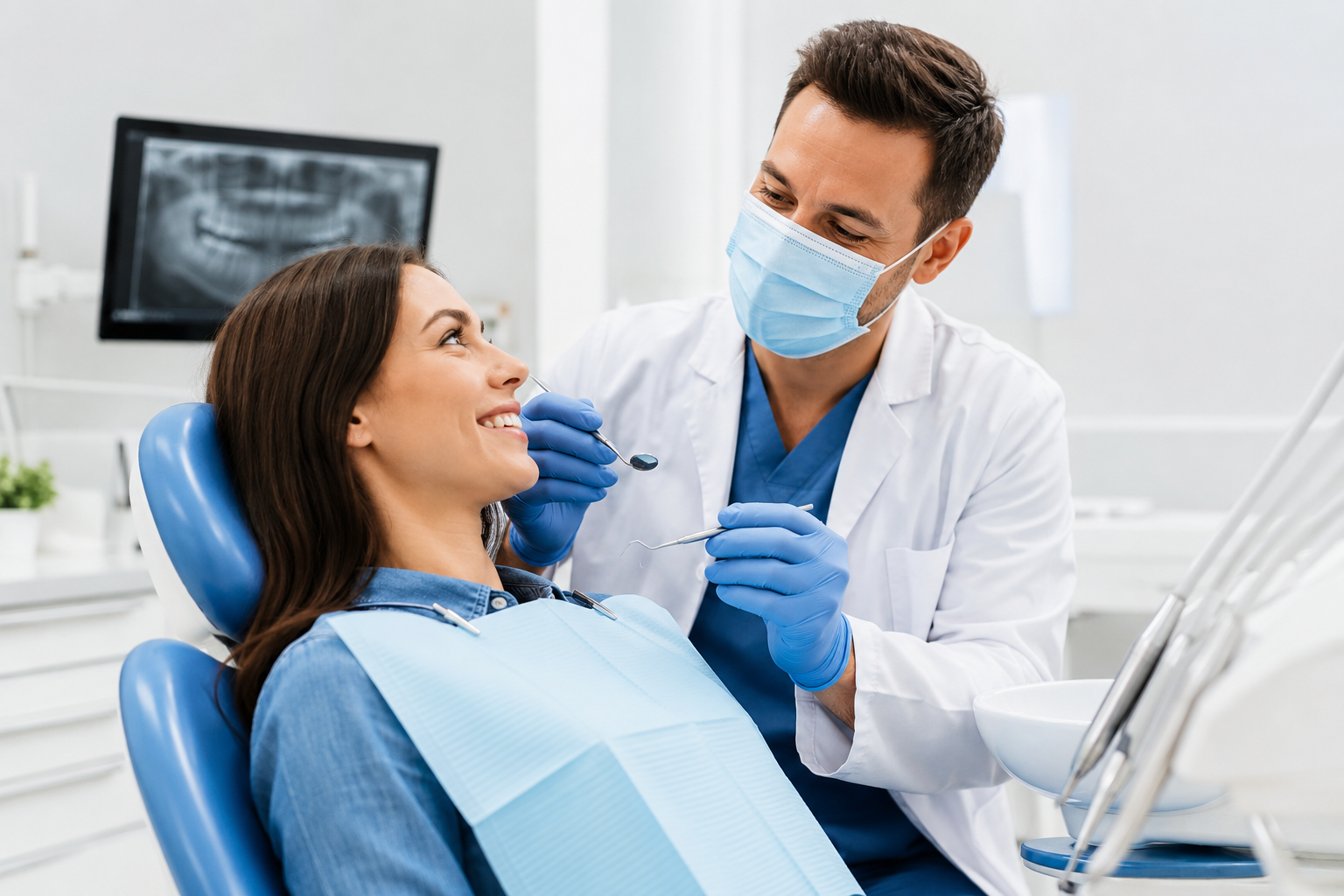
Quickly identifying a dental emergency can save a tooth and prevent infection. Noticeable symptoms, sudden changes, and clear causes help decide whether to act now or wait for a scheduled visit.
Common Signs of a Dental Emergency
Severe pain that does not improve with over-the-counter painkillers often indicates a serious issue such as an abscess or exposed nerve. Pain that wakes a patient at night or radiates to the jaw, ear, or temple deserves immediate attention.
Significant swelling of the face, gums, or neck can signal spreading infection and potential airway compromise. Any swelling that develops quickly, is warm to the touch, or is accompanied by fever increases urgency.
Uncontrolled bleeding after trauma or extraction that soaks through gauze within 20–30 minutes requires emergency care. Loose or knocked-out permanent teeth are also urgent because prompt repositioning improves the chance of saving the tooth.
When to Seek Immediate Help
Seek immediate care for trauma from falls, sports injuries, or car accidents that fractures teeth, dislodges teeth, or causes cuts to lips and gums. Time-sensitive actions, like repositioning a knocked-out tooth within 30–60 minutes, make a major difference.
Go to an emergency dentist or ER when a dental infection causes fever, facial swelling, difficulty swallowing, or breathing changes. These signs suggest the infection may be spreading beyond the tooth into surrounding tissues.
Contact an emergency dental office for severe pain that resists medication, uncontrolled bleeding, or sudden loss of an extensive filling or crown that exposes the tooth nerve. Prompt treatment lowers the risk of complications and reduces pain quickly.
Types of Urgent Dental Issues
Knocked-out (avulsed) permanent teeth require immediate reimplantation or preservation in milk or saline while en route to a dentist. Baby teeth should not be replanted; instead consult a pediatric dentist for guidance.
Fractured teeth range from minor chips to vertical root fractures. Large fractures exposing nerve tissue often need emergency root canal treatment or extraction to prevent infection and ongoing pain.
Dental abscesses present as localized swelling, severe throbbing pain, and sometimes a bad taste from drainage. Treatment usually involves drainage and antibiotics, followed by definitive care such as root canal therapy or extraction.
Other urgent problems include uncontrolled bleeding after oral surgery, severe orthodontic appliance injuries, and sudden, severe jaw pain or locking that interferes with eating or breathing.
Immediate Steps to Take at Home
Act quickly but calmly. Focus on pain control, preserving any tooth fragments, and reducing bleeding or swelling until professional care is available.
First Aid for Tooth Pain
They should rinse the mouth gently with warm water to remove debris. Use a clean cloth to blot any blood and avoid vigorous spitting, which can worsen bleeding.
For pain relief, apply an over-the-counter analgesic such as ibuprofen or acetaminophen per package directions. Do not place aspirin directly on the gum or tooth; it can burn soft tissue.
A cold compress on the cheek for 10–15 minutes helps numb the area and reduces swelling. If sensitivity is from a cracked filling or exposed dentin, temporary dental cement (available at pharmacies) can be placed until the dentist appointments.
Avoid very hot, cold, or hard foods that increase pain. Use a soft-bristled toothbrush and be gentle when cleaning around the painful area to prevent further irritation.
Caring for Knocked-Out or Broken Teeth
If a permanent tooth is knocked out, find it immediately and handle by the crown only—avoid touching the root. Rinse the tooth gently with saline or milk; do not scrub, dry, or use soap.
Try to reinsert the tooth into its socket if the person is conscious and able, holding it by the crown and gently pushing it into place. If reinsertion isn’t possible, store the tooth in cold milk or Hank’s Balanced Salt Solution; saline is acceptable for short transport.
For broken teeth, collect fragments and place them in milk or saline. Cover sharp edges with dental wax or sugarless chewing gum to protect the cheek and tongue. Seek emergency dental care within 30–60 minutes for best chances of saving the tooth; permanent teeth have the highest success with prompt reimplantation.
Managing Swelling or Bleeding
Apply firm, direct pressure with sterile gauze to control bleeding for 10–20 minutes; replace gauze as needed. If bleeding continues after 30 minutes of direct pressure, seek emergency care or go to the nearest ER.
Reduce swelling by applying a cold pack to the cheek in 10–15 minute intervals with a cloth barrier to protect the skin. Keep the head elevated while resting to minimize throbbing and fluid buildup.
If signs of infection appear—fever, spreading redness, increasing pain, or pus—contact a dentist immediately; antibiotics may be required. Avoid smoking and alcohol, which delay healing and worsen bleeding.
What to Expect During an Emergency Visit
Patients receive a quick comfort assessment, pain control, and a clear plan for treatment and follow-up. Staff will focus on immediate relief, diagnostics, and a timeline for definitive care.
Initial Assessment and Comfort Measures
On arrival, the dental team asks about the injury or pain, medical history, and medications. They record vitals if bleeding, swelling, or fainting is reported.
A dentist performs a focused clinical exam of the mouth, jaw, and face. They look for loose, fractured, or avulsed (knocked-out) teeth, signs of infection, and soft-tissue injuries.
Pain control is provided quickly with local anesthetic, short-acting oral analgesics, or nitrous oxide if available. For severe swelling or spreading infection, antibiotics are often started the same day.
Staff may take digital X-rays or a CBCT scan to evaluate root fractures, bone damage, or impacted teeth. The team documents findings and explains immediate steps in plain language.
Treatment Options for Urgent Situations
For a knocked-out tooth, the dentist attempts reimplantation when possible and splints the tooth to adjacent teeth for stabilization. They advise on storage media and time sensitivity—teeth out of the mouth longer than an hour have lower success rates.
A broken crown or large fracture may be temporarily smoothed and sealed, then restored with a crown or onlay. Root canal therapy is provided when the pulp is exposed or infection is present.
For dental abscesses, the dentist drains the pus, prescribes antibiotics, and arranges for root canal therapy or extraction as needed. Severe swelling affecting breathing receives immediate transfer to the emergency department if necessary.
Soft-tissue lacerations are cleaned and sutured; foreign bodies are removed. Bleeding is controlled with pressure, hemostatic agents, and local measures before any definitive dental work.
How Dentists Prioritize Care
Triage focuses first on threats to life and airway, then severe pain, uncontrolled bleeding, and risk to permanent teeth. Cases that can wait without harm are scheduled later the same day or within a few days.
Dentists use a priority checklist: airway compromise, facial trauma with bone involvement, uncontrolled infection, severe uncontrolled pain, then lost restorations or minor fractures. This ensures the most serious problems get immediate attention.
Insurance, treatment complexity, and available specialists influence whether the clinic provides definitive care that day or refers to an oral surgeon or hospital. Staff explain the reason for any referral and give clear instructions for interim care.
They provide written aftercare instructions, prescriptions, and a follow-up appointment before the patient leaves. Patients receive contact information for questions or worsening symptoms and are encouraged to call promptly if pain or swelling increases.
How Spring Hill Dental Practices Support Emergency Cases
Spring Hill dental practices prioritize quick access, compassionate care, and modern tools to address sudden tooth pain, trauma, and infections. Patients can expect same-day or next-day slots, coordinated care among clinicians, and in-office imaging and labs to speed diagnosis and treatment.
Availability and Rapid Appointments
Many Spring Hill offices reserve daily slots specifically for urgent cases, with some clinics offering dedicated emergency hours evenings and weekends. Patients calling with severe pain, swelling, or a knocked-out tooth often receive phone triage within minutes and an in-person appointment the same day.
Practices typically use a standardized intake checklist to capture pain severity, swelling, medication history, and allergy information before arrival. This lets staff prepare analgesics, imaging requests, and necessary isolation supplies so treatment starts immediately on arrival.
If a tooth is avulsed, local clinics follow emergency reimplantation windows and advise on tooth preservation steps before arrival. For infection with spreading swelling, practices coordinate immediate antibiotics and, when needed, refer to oral surgery or emergency departments if airway risk exists.
Team Approach and Gentle Techniques
Emergency care in Spring Hill relies on a coordinated team: front-desk triage, dental assistants, hygienists, general dentists, and on-call specialists. Each role speeds care—assistants set up trays and anesthetic, hygienists perform rapid cleanings, and dentists focus on diagnosis and procedure.
Clinics emphasize minimally invasive, gentle techniques to reduce discomfort. They use targeted local anesthesia, slow infiltration for sensitive patients, and papoose-free behavior strategies for anxious adults and children. Sedation options—nitrous oxide or oral sedatives—are offered when appropriate and explained clearly before use.
Staff routinely review medical histories and medication interactions to avoid complications with analgesics or antibiotics. They also provide clear aftercare instructions and schedule follow-up visits for final restorations, so temporary fixes become durable solutions with minimal pain.
State-of-the-Art Technology
Spring Hill practices apply modern diagnostics to speed accurate treatment: digital radiography, cone-beam CT for complex trauma, and intraoral cameras for detailed visualization. These tools reduce exposure to radiation and let dentists explain findings visually during the visit.
In-office same-day milling and CAD/CAM systems allow fabrication of temporary crowns or splints within hours, avoiding extra appointments. Laser therapy and cordless electric handpieces improve hemostasis and reduce vibration and noise for a calmer experience.
Electronic records and secure patient portals let staff pull recent imaging, prescriptions, and medical notes immediately, minimizing delays. When lab work or advanced imaging is required, clinics coordinate expedited services to return results within 24–48 hours.
Preventing Future Dental Emergencies
Focus on daily habits, protective measures during activities, and regular dental visits to reduce the risk of sudden tooth pain, broken teeth, or lost restorations. Small changes—consistent brushing, wearing a mouthguard, and timely exams—prevent many urgent visits.
Tips for Everyday Oral Health
They should brush twice daily with a fluoride toothpaste for two minutes each time, paying special attention to the chewing surfaces and the gum line. Use a soft-bristled brush and replace it every three months or after illness.
Floss once daily, sliding gently along each tooth and under the gum line to remove plaque where brushes miss. Consider interdental brushes or a water flosser if spaces are tight or if they have bridges and implants.
Limit sugary snacks and acidic drinks. When consuming soda, sports drinks, or citrus, rinse with water afterward and avoid sipping over long periods. Chew sugar-free gum with xylitol for 10–20 minutes after meals to boost saliva and neutralize acids.
If they grind teeth at night, an occlusal guard custom-made by a dentist prevents wear and reduces the chance of cracked teeth. Address tooth sensitivity early with desensitizing toothpaste and a dental evaluation to catch small problems before they become emergencies.
Protective Gear for Sports and Activities
Athletes should wear properly fitted mouthguards for contact and high-risk sports like football, soccer, basketball, and hockey. Stock mouthguards offer minimal protection; boil-and-bite is better, and custom-made guards from a dentist provide the best fit and shock absorption.
For recreational activities—biking, skateboarding, or snow sports—a helmet with a faceguard or full-face shield adds protection against facial trauma. They should check guard fit before each use and replace mouthguards that show wear or no longer fit snugly.
Parents should ensure children use protective gear during playground play and organized sports. Keep an emergency dental kit at sporting events with a small container for avulsed teeth, saline or milk for storage, and the dentist’s contact info.
Importance of Regular Check-Ups
They should schedule dental exams every six months or as recommended for their risk level. These visits let the dentist spot cracked teeth, loose restorations, early decay, and gum problems before they escalate into pain or infection.
Radiographs and bite evaluations during recall visits catch hidden fractures and decay between teeth. Professional cleanings reduce inflammation and lower the risk of abscesses that can cause emergency visits.
If treatment is advised—like a filling, crown, or root canal—addressing it promptly prevents progression to an emergency. The dental team can also provide personalized prevention plans, night guards, and dietary guidance based on the patient’s oral health profile.
What to Bring and Questions to Ask
Bring identification, insurance details, and any recent dental records if possible. Having these ready speeds up registration and helps the clinician make informed decisions quickly.
Essential Information for Your Visit
Bring a photo ID, current insurance card, and a list of medications with dosages and frequencies. Include over-the-counter drugs, supplements, and recent antibiotics or blood thinners. If the patient has allergies to medications, latex, or anesthesia, list them clearly.
Bring any X-rays or treatment records from another dentist. If possible, request digital copies sent to the Spring Hill office beforehand; this prevents repeat imaging and shortens time in the chair. If the emergency affects a child, bring vaccination records and the parent’s contact details.
Prepare payment method and a contact person for post-visit instructions. Note work restrictions or mobility needs so staff can schedule appropriate time and provide accommodations.
How to Prepare for Fast Service
Call ahead and describe symptoms precisely: location of pain, onset time, type of pain (sharp, throbbing, constant), and any swelling or fever. Mention if the tooth was knocked out, fractured, or contains a crown or implant. This lets the receptionist prioritize and allocate treatment resources.
Have a list of specific questions ready, such as:
- “Do you accept my insurance plan?”
- “Can you manage an avulsed (knocked-out) tooth?”
- “What pain control and antibiotic options do you recommend?”
- “How soon can I expect follow-up care or specialist referral?”
Arrive with any removable restorations or fragments in a labeled container. Wear a short-sleeve shirt if IV sedation or bloodwork might be needed. This small preparation speeds triage and improves comfort during treatment.
Finding the Right Dentist for Urgent Care
Choosing a dentist for urgent care starts with availability. Patients should look for offices that offer same-day appointments, extended hours, or a clear after-hours contact number.
Credentials matter. Verify that the dentist is licensed in Florida and has experience treating dental emergencies like knocked-out teeth, severe pain, or infections.
Location affects speed of care. A nearby office in Spring Hill, FL reduces travel time during acute pain or bleeding and can improve outcomes for injuries such as avulsed teeth.
Communication and bedside manner help calm anxious patients. A dentist who explains diagnosis and treatment options in plain language, and discusses pain control and follow-up care, improves confidence and compliance.
Ask about treatment capabilities before arriving. Confirm whether the practice can perform root canals, extractions, temporary restorations, and manage infections, or if they refer to a specialist.
Insurance, payment options, and cost transparency matter. Patients should check in-network status, emergency fees, and whether the office offers payment plans or accepts major credit cards.
Look for patient-centered amenities. Comfortable waiting areas, sedation options for anxious patients, and a compassionate team signal a practice focused on comfort and modern care.
Read reviews and seek recommendations. Local testimonials and referrals from primary care providers help identify reliable, prompt emergency dental care.
Encourage patients to call the office with questions or to request immediate guidance for their specific situation.
Understanding Insurance and Payment Options
Patients in Spring Hill often wonder what their insurance will cover for emergency dental visits. Many PPO and some HMO plans cover urgent exams and emergency procedures, but coverage varies by policy and network.
Dental offices usually provide a clear breakdown of expected costs before treatment. They can submit claims directly to insurers and explain deductibles, co-pays, and annual maximums so patients know what to expect.
For uninsured patients, clinics commonly offer payment plans or sliding-scale fees. Financing through third-party medical credit companies is often available for larger procedures; monthly payments can make urgent care more accessible.
A simple table helps compare common options:
| Option | Typical Use | Notes |
|---|---|---|
| Private dental insurance | Exams, x‑rays, some procedures | Check in‑network benefits |
| Medical insurance | Trauma or related ER visits | Often requires hospital billing |
| Payment plans | Extensive treatment | Low or zero interest possible |
| Cash/credit | Small emergency repairs | Immediate payment may get faster scheduling |
| CareCredit / financing | Major restorative work | Apply beforehand if possible |
They should always ask the dental office about preauthorization for costly treatments. If time allows, calling the insurer before treatment can prevent surprises.
The dental team should explain any out‑of‑pocket estimate and help file claims. Patients are encouraged to bring insurance cards and a photo ID to streamline the process and get prompt care.
Supporting Loved Ones Through Dental Emergencies
When a family member faces a dental emergency, remain calm and focused. They respond better when someone speaks clearly and moves with purpose.
Listen to the person’s symptoms and ask simple questions about pain level, bleeding, or time of injury. Record basic details—what happened and when—to share with the dental team.
Provide immediate comfort: apply gentle pressure to control bleeding, use a cold compress for swelling, and keep knocked-out teeth moist in saliva or milk. Avoid home remedies that could interfere with professional care.
Help arrange transportation and contact the dental office in Spring Hill, FL, before leaving. Let the practice know the situation so staff can prepare and prioritize care.
Support includes practical steps like gathering medical history, allergy information, and a list of current medications. These details speed diagnosis and reduce the risk of complications.
Offer emotional reassurance: simple phrases like “They’ll get help soon” and steady presence lower anxiety. Encourage breathing and distraction techniques if pain or fear spikes.
If insurance or finances are a concern, ask the dental office about emergency payment options and financing. Many practices provide flexible solutions to get urgent care without delay.
Encourage follow-up care and preventive measures after the emergency, such as a checkup, x-rays, or a custom mouthguard. Prompt follow-up reduces the chance of recurring problems.
Suggest contacting the Spring Hill dental team with questions or to schedule an urgent visit; they can provide clear next steps and personalized guidance.
Frequently Asked Questions
This section clarifies what counts as true dental emergencies, how fast to seek care, first steps for a knocked-out tooth, where to get after-hours help, contemporary fixes for cracked teeth and lost restorations, and typical cost/insurance considerations.
What counts as a true dental emergency, and what can safely wait until regular office hours?
True emergencies include uncontrolled bleeding, severe facial swelling or infection, a tooth knocked completely out, and intense pain that prevents sleep or normal function. These situations need same-day attention to avoid permanent damage or systemic infection.
Problems that can usually wait 24–72 hours include minor tooth sensitivity, a small chip that doesn’t hurt, or a lost temporary filling. If discomfort increases, swelling appears, or symptoms persist, seek immediate care.
How quickly should I be seen for a severe toothache or swelling, and what should I do while I’m waiting?
Severe toothache with swelling should be evaluated the same day; swelling can indicate an abscess that spreads. If swelling affects breathing or swallowing, call emergency services immediately.
While waiting, apply a cold pack to the outside of the cheek for 10–15 minutes every hour to reduce swelling. Take over-the-counter ibuprofen or acetaminophen per label instructions and avoid placing aspirin directly on the gum.
If a tooth gets knocked out, what are the first steps to improve the chances of saving it?
Find the tooth and hold it by the crown, not the root. If the tooth is dirty, rinse gently with milk or saline for no more than 10 seconds; do not scrub.
Try to reinsert the tooth into the socket and hold it in place, or store it in milk or a tooth-preservation kit. Seek a dentist within 30–60 minutes for the best chance of successful reimplantation.
Where can I go for after-hours dental help, and how is this different from going to urgent care or the ER?
After-hours dental clinics and on-call dentists provide tooth-specific treatments like extractions, root access for infection control, and temporary restorations. They typically can prescribe antibiotics and pain medication tailored to dental infections.
Urgent care and ERs handle airway threats, severe bleeding, and systemic infection; they often provide pain relief and antibiotics but rarely offer definitive dental repair. For non-life-threatening dental problems, after-hours dental care usually resolves the source of pain more effectively.
What are the most comfortable, modern options for treating a cracked tooth, lost filling, or broken crown?
Small cracks and lost fillings often receive composite (tooth‑colored) restorations placed same day to restore form and function. For larger fractures, dentists may place a bonded onlay or a porcelain crown to protect the tooth long-term.
If a crown breaks, dentists can sometimes repair or re-cement it; otherwise they fabricate a new crown. Many offices offer digital impressions and same‑day milling for faster turnaround and fewer temporary restorations.
How much might an emergency visit cost, and what should I bring if I’m using dental insurance or paying out of pocket?
Emergency exam fees typically range from a modest to moderate single-visit charge, with additional costs for procedures like extractions, root canal therapy, or crowns. Expect a wide price range—ask the office for an estimate before treatment when possible.
Bring a photo ID, your dental and medical insurance cards, a list of current medications, and any recent dental x-rays if available. If paying out of pocket, confirm payment methods, and ask about financing or payment plans to manage larger emergency procedures.