
Dental implants in SpringHill, Florida, offer a reliable and lasting solution for people missing one or more teeth. They function like natural teeth, restoring both appearance and chewing ability with a secure, comfortable fit. This modern option helps patients regain confidence without worrying about slipping or discomfort.
Many in SpringHill appreciate that dental implants are designed to preserve jawbone health, unlike traditional dentures. The procedure involves placing a small titanium post into the jaw, which acts as the root, supporting a natural-looking crown on top. This process may sound complex, but skilled local dentists ensure patients feel cared for every step of the way.
For those considering implants, understanding the process and benefits can ease concerns about treatment. A personalized consultation in SpringHill can help determine the best options for each individual’s smile and lifestyle. If dental implants sound like a good fit, reaching out to a trusted dental office is a great next step.
What Are Dental Implants?
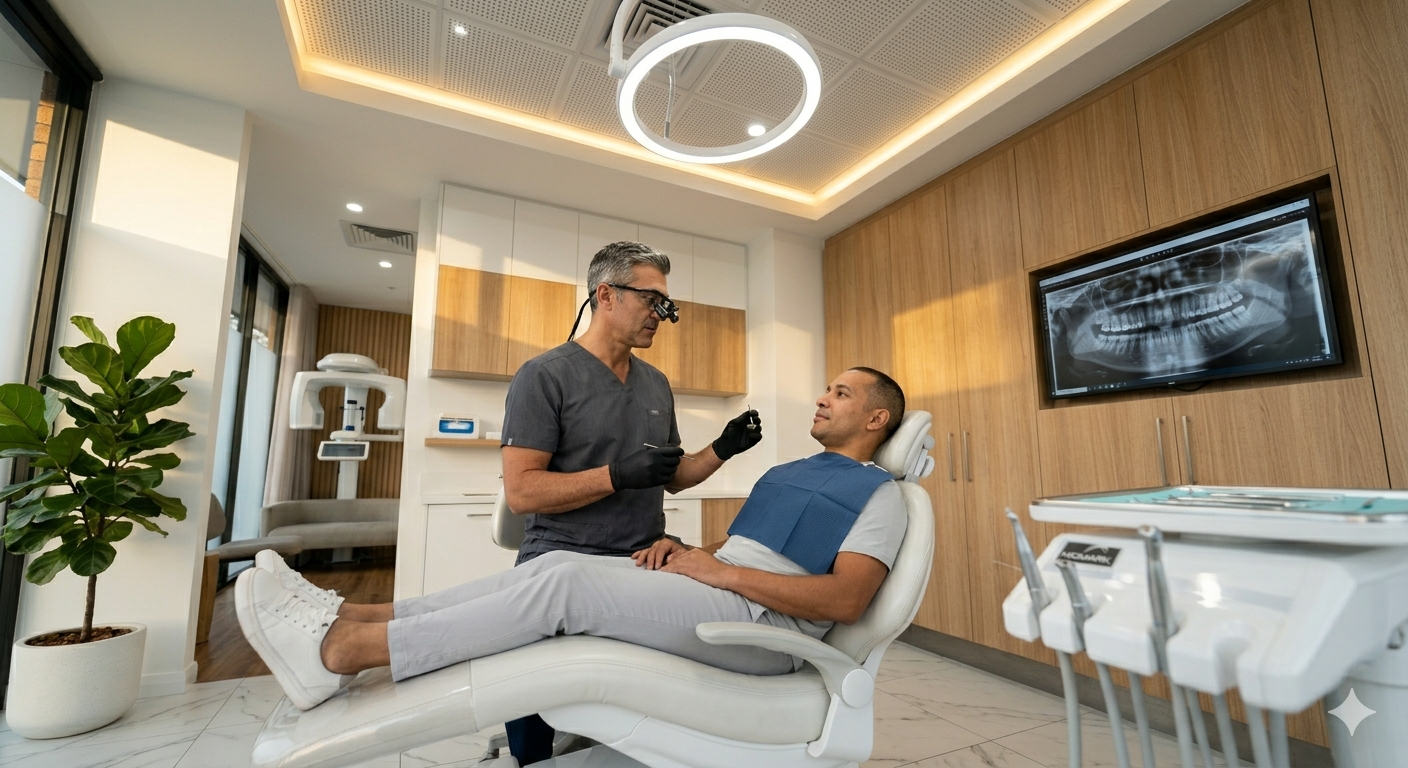
Dental implants provide a reliable way to replace missing teeth, supporting both function and appearance. They involve specialized components that interact with the jawbone and gum tissue to create a natural-feeling tooth replacement. Understanding how they work, their advantages, and the available types can help patients make informed decisions.
How Dental Implants Work
Dental implants are titanium posts surgically placed into the jawbone beneath the gums. Over time, the bone grows around the implant through a process called osseointegration, securing it firmly in place. This acts as a sturdy foundation for attaching artificial teeth such as crowns, bridges, or dentures.
Once the implant integrates with the bone, a small connector called an abutment is added. This piece links the implant to the visible replacement tooth. The result is a stable, functional tooth that looks and feels much like a natural one.
The entire process usually takes a few months, allowing time for healing between surgery and final restoration.
Benefits Over Other Tooth Replacement Options
Unlike traditional dentures or bridges, dental implants do not rely on adjacent teeth for support. This preserves the health of surrounding teeth by avoiding additional wear or alteration. Implants also prevent bone loss in the jaw, which often occurs when teeth are missing.
They offer improved chewing ability and comfort because implants fuse directly with the bone. This reduces slipping or irritation often experienced with dentures. Additionally, implants provide a long-term solution, often lasting 15 years or more with proper care.
Patients find implants enhance confidence by restoring a natural-looking smile that functions like their original teeth.
Types of Dental Implants
The most common implant type is the endosteal implant, which is placed directly into the jawbone. These are typically shaped like small screws and work well for most patients with sufficient bone density.
Another option is the subperiosteal implant, which sits on top of the jawbone but under the gum tissue. This type suits patients with less bone height or those unable to undergo bone grafting.
Dental implants also vary based on the number of teeth being replaced. Single implants replace individual teeth, while implant-supported bridges and dentures can restore multiple or all missing teeth for better stability and function.
Who Is a Good Candidate for Dental Implants in SpringHill, Florida?
Dental implants require certain health and anatomical conditions to ensure success. Candidates should have stable overall health and a suitable jawbone structure. Age and dental history also influence implant eligibility.
General Health Requirements
Good candidates for dental implants should be in generally stable health. Chronic conditions like uncontrolled diabetes or immune disorders can slow healing and increase infection risk. A healthy immune system helps the body accept the implant and recover smoothly.
Smoking negatively impacts healing around dental implants and may reduce success rates. Dentists often advise quitting or reducing tobacco use before implant placement. Patients taking medications that affect bone healing should discuss alternatives or timing with their doctor and dentist.
Maintaining oral hygiene is essential before and after implantation. Persistent gum disease or untreated cavities increase the chance of implant failure. A thorough dental exam screens for these issues before moving forward with implants.
Considerations for Bone Health
Adequate bone density and volume in the jawbone are crucial for implant stability. If the bone is too thin or soft, the implant may not anchor propEarly. Bone grafting procedures can rebuild the jawbone when necessary, but this adds time and complexity.
Dental imaging such as X-rays or CT scans assess bone quality and dimensions. SpringHill dental specialists use these tools to create a personalized treatment plan. They check for bone loss due to tooth loss, periodontal disease, or injury.
Patients with severe bone loss may need alternative options like mini implants or implant-supported dentures. These can provide functional and aesthetic results without extensive surgery.
Age and Dental History Factors
Age alone does not exclude someone from receiving dental implants. Adults, including seniors, often do well if other health criteria are met. However, young patients whose jawbones are still growing usually must wait until growth is complete.
Previous dental history plays a role. Multiple missing teeth or history of periodontal disease require careful assessment to confirm implant readiness. Teeth that were lost due to trauma might allow for faster implantation compared to loss from infection or decay.
A history of failed dental work or complications could indicate the need for further evaluation before implant surgery. Dentists in SpringHill evaluate these factors thoroughly to maximize implant success and patient comfort.
The Dental Implant Process Explained
Getting a dental implant involves several carefully planned steps, focusing on precision and patient comfort. The process moves from thorough evaluation to surgery and follows a strict healing timeline to ensure lasting results.
Initial Consultation and Planning
The first step is a detailed consultation where the dentist reviews medical history and conducts a dental exam. Imaging tests like X-rays or 3D scans help assess bone quality and identify the best implant placement sites.
During this visit, the dentist discusses treatment options, timelines, and costs. They also talk about lifestyle factors such as smoking or oral hygiene that can affect implant success. Patient questions are encouraged to ease any nervousness.
A customized treatment plan is created based on the patient’s needs. This plan includes the type of implant, possible bone grafts, and the expected recovery process, ensuring clear expectations from the start.
Implant Placement Procedure
On the day of surgery, the area is numbed with local anesthesia to keep the patient comfortable. If needed, sedation options can be offered for extra relaxation.
The dentist then carefully drills into the jawbone to place a titanium implant post. This post acts like a tooth root and provides a strong foundation for the replacement tooth.
After placement, a protective cap is attached to allow the gum tissue to heal around the implant. The patient is given detailed aftercare instructions to support healing and avoid infection.
Healing and Recovery Timeline
Healing after implant placement can take three to six months, depending on the individual and bone quality. During this time, the implant integrates with the jawbone in a process called osseointegration.
Patients might experience mild swelling or discomfort, which usually subsides within a few days. Follow-up visits help monitor healing and address any concerns.
Once the implant is stable, the dentist attaches an abutment and custom crown to restore function and appearance. With proper care, these implants can last many years, providing a natural feel and look.
Modern Technology and Precision in SpringHill Implant Dentistry
SpringHill implant dentistry uses advanced tools and careful planning to improve outcomes and patient comfort. Every step, from diagnosis to surgery, relies on up-to-date technology that helps dentists place implants with accuracy and minimal disruption.
Digital Imaging and Advanced Diagnostics
Dentists in SpringHill use 3D cone beam computed tomography (CBCT) scans to get a detailed view of the jawbone and surrounding structures. This imaging helps measure bone density and locate nerves precisely, reducing risks during implant placement.
Digital impressions replace messy molds, creating accurate 3D models of the mouth. This speeds up the design of custom implants and crowns. Patients benefit from less waiting and a better fit, which supports long-term success.
The use of CAD/CAM software also allows SpringHill dentists to plan the surgery virtually before it happens. This careful mapping enhances precision and reduces surprises during the procedure.
Minimally Invasive Surgical Techniques
SpringHill dental specialists often use flapless surgery or small incisions to place implants. Minimally invasive techniques mean less swelling, reduced discomfort, and faster healing times for patients.
Guided implant surgery is common, where digital planning tools direct the placement with surgical guides. These guides act like GPS, ensuring the implant goes exactly where it was planned in the 3D model.
By minimizing tissue damage, patients experience lower infection risks and quicker return to normal eating and speaking. These modern methods also often eliminate the need for stitches, making follow-up care simpler.
If you’re considering implants, asking about these technologies can help you understand how your procedure might be smoother and more comfortable.
What to Expect During Your Dental Implant Journey
A dental implant procedure involves clear phases that guide patients from initial consultation to final restoration. Each step focuses on comfort, healing, and achieving a natural-looking smile. Understanding these phases helps patients feel more confident and prepared.
Step-by-Step Patient Experience
The process starts with a thorough evaluation, including X-rays and scans to assess bone health. This ensures the implant is placed precisely where it will be most stable.
The next step is implant placement surgery. It’s typically done under local anesthesia, and patients usually experience minimal discomfort afterward. Healing time varies but generally ranges from three to six months. During this period, the implant fuses with the jawbone, a process called osseointegration.
Once healed, an abutment is attached to connect the implant to the new crown or denture. The final restoration is customized to match the patient’s natural teeth, focusing on appearance and function.
Support and Aftercare from Your Local Dental Team
SpringHill dental professionals emphasize ongoing support throughout the entire implant journey. After surgery, regular check-ups monitor healing and address any concerns quickly.
Patients receive detailed instructions on oral hygiene, including gentle brushing and avoiding hard foods initially. Follow-up appointments ensure the implant integrates well and the restoration fits comfortably.
If any discomfort or complications arise, the dental team is ready to adjust or intervene promptly. This local, personalized care helps patients maintain long-term oral health and enjoy their implants confidently.
Dental Implant Cost and Financing Options in SpringHill
Understanding the cost of dental implants and available financing options can help patients plan their treatment better. Prices vary based on individual needs, and there are ways to manage expenses through insurance and payment plans.
Factors That Affect Implant Pricing
Several elements influence the total price of dental implants in SpringHill. The complexity of the procedure matters—a single implant is less expensive than multiple implants or full-mouth restorations. The need for additional treatments, like bone grafting or sinus lifts, can add to costs.
Materials used also affect pricing. Titanium implants are common and durable, but zirconia implants may cost more. The experience and expertise of the dental surgeon can impact fees, with specialists charging higher rates.
Location-specific factors, such as clinic overhead and local market rates, play a role too. Typical costs range from $3,000 to $5,000 per implant, including surgery and crown placement.
Insurance Coverage and Payment Plans
Most dental insurance plans do not fully cover implants but may help with parts of the procedure, like the crown or X-rays. Patients are encouraged to review their policies and speak with their insurance provider.
Many SpringHill dental offices offer flexible payment plans to make implants affordable. Options can include zero-interest financing for a set period or monthly payment schedules. Some clinics work with third-party financing companies, allowing patients to spread out the cost over time.
Discussing financing options upfront with the dental office helps patients choose a manageable payment method. This approach reduces stress and makes high-quality dental care accessible.
Caring for Your Dental Implants
Maintaining dental implants requires consistent attention to hygiene and regular dental visits. Proper care helps prevent complications and ensures the implants last as long as possible, keeping the mouth healthy and comfortable.
Daily Oral Hygiene Tips
Brushing twice daily with a soft-bristled toothbrush is essential for removing plaque around implants. Using a low-abrasive toothpaste helps protect implant surfaces from damage. Flossing once a day with implant-specific floss or a water flosser clears debris between teeth and around the implant.
Rinsing with an antimicrobial mouthwash can reduce bacteria that cause gum inflammation. Avoid hard or sticky foods that might stress the implant crown. Staying hydrated and avoiding tobacco supports gum health and implant success.
Professional Maintenance and Checkups
Regular dental visits every 6 months let dentists monitor implant health and spot early issues. During checkups, hygienists use special tools that don’t scratch the implant surface to clean beneath the gum line.
X-rays help assess the bone around the implant for any changes. Dentists can also address loose parts, worn crowns, or gum problems quickly. Scheduling professional cleanings keeps implants secure and inflammation-free, boosting long-term success.
Common Concerns and Misconceptions About Dental Implants
Many people worry about the safety and longevity of dental implants. Understanding how implants work and their success rates can help ease fears and clarify what to expect from the procedure.
Addressing Implant Safety
Dental implants are made from biocompatible materials, primarily titanium, which integrate well with the jawbone. This process, called osseointegration, ensures the implant becomes a stable part of the mouth. Risks like infection or rejection are rare when performed by a skilled implant dentist.
Before surgery, thorough evaluations check bone density and overall health to reduce complications. Modern techniques and sterile conditions also lower infection risks. Patients with certain medical conditions may need special consideration but are not automatically disqualified.
Pain and discomfort during the process are usually minimal, managed with local anesthesia and sedation options. Aftercare instructions help promote healing and prevent issues, making safety a top priority in every implant case.
Long-Term Durability and Success Rates
Dental implants have a high success rate, often quoted between 95% and 98% over 10 years. Their durability depends on proper placement, good oral hygiene, and regular dental visits. Implants can last several decades with the right care.
Unlike dentures, implants connect directly to the bone, preventing bone loss and preserving facial structure. This unique bond provides strength and function similar to natural teeth.
Factors like smoking, uncontrolled diabetes, or poor oral hygiene may reduce implant longevity. Patients are encouraged to follow dentist recommendations and maintain daily cleaning habits. In many cases, implants remain stable and functional for a lifetime.
Choosing the Right Dental Implant Dentist in SpringHill
Finding the right dentist for dental implants involves more than just credentials. Patient comfort and a clear treatment plan also play crucial roles in a successful experience.
Credentials and Experience to Look For
Patients should seek dentists with specialized training in implant dentistry. Look for board certification or membership in professional organizations like the American Academy of Implant Dentistry (AAID). Experience matters—ask how many implant procedures the dentist has performed, especially those similar to your case.
A good implant dentist uses the latest technology for planning and placing implants, such as digital imaging and 3D scans. This ensures precision and reduces complications. It’s helpful to check patient reviews or before-and-after photos to understand the quality of work.
Creating a Comfortable Patient Experience
Comfort during implant treatment begins with a thorough consultation. The dentist should explain each step clearly, answering questions patiently. Offering sedation options or pain management techniques helps reduce anxiety.
An implant dentist in SpringHill should focus on a calm office environment with caring staff. They should also provide post-procedure support, including detailed aftercare instructions and easy access for follow-up visits. Feeling supported throughout the process often makes a big difference in recovery and satisfaction.
Next Steps: Book Your Dental Implant Consultation in SpringHill
Scheduling a consultation is the first step toward a confident, healthy smile with dental implants. During the visit, the dentist will review medical history, examine your mouth, and discuss your goals. This helps create a personalized plan tailored to your needs.
Patients can expect a relaxed environment where questions are welcome. The team will explain the process clearly, covering costs, timelines, and what to expect before, during, and after treatment. This way, everyone feels informed and comfortable.
Here’s a quick checklist of what to bring to your consultation:
- List of current medications
- Recent dental records or X-rays (if available)
- Questions or concerns you want to discuss
- Insurance information
Dental practices in SpringHill often offer flexible scheduling options, including evening and weekend appointments. Some may provide virtual consultations for initial conversations, making it easier for busy patients to get started.
Encourage patients to reach out early, even if they’re just exploring options. Booking a consultation means taking control of oral health with the support of experienced professionals. It’s a simple, reassuring step closer to restoring natural function and appearance with dental implants.
Frequently Asked Questions
Many patients wonder about how health conditions affect dental implants, the length of the process, and what to expect during treatment. Questions about choosing the right specialist and comparing implants to dentures also come up often. Understanding these details can help people make informed decisions about their care.
Am I a good candidate for dental implants if I have an autoimmune condition?
Patients with autoimmune conditions can still be candidates for dental implants, but their immune response and healing ability are important factors. The dentist will evaluate how well the condition is managed and if any medications affect bone healing.
Close monitoring and possibly coordination with a healthcare provider are common to ensure the best outcome.
How long does the dental implant process usually take from start to finish?
The typical timeline ranges from three to six months. This includes initial consultation, implant placement, healing, and final crown attachment. Healing time allows the implant to integrate firmly with the jawbone.
Some cases may require additional procedures like bone grafting, which can extend the timeline.
What does getting a dental implant feel like, and how is discomfort managed during and after treatment?
During the procedure, local anesthesia is used to keep the area numb, so patients feel little to no pain. Afterward, mild discomfort or swelling is normal and can be managed with over-the-counter pain relievers and cold packs.
Dentists provide clear instructions for post-op care to keep discomfort minimal and aid healing.
Can dental implants help fix bite problems or make chewing feel more natural again?
Yes, dental implants restore stability and function, allowing for better bite alignment and more natural chewing. Because implants fuse with the bone, they mimic natural tooth roots and provide strong support.
This often improves comfort and confidence while eating.
Should I see a periodontist or an oral surgeon for implant placement, and how do I choose the right provider?
Both periodontists and oral surgeons are trained to place implants, but their approaches may vary. A periodontist specializes in gum health, which benefits patients with gum disease. An oral surgeon focuses on complex surgical cases.
Choosing the right provider depends on individual needs, the complexity of the case, and comfort level with the dentist.
How do implants compare to dentures in terms of comfort, stability, and daily care?
Implants are more stable and comfortable because they’re fixed in the jawbone, unlike dentures which can shift or slip. They don’t require adhesives and function like natural teeth.
Daily care for implants is similar to regular teeth—brushing, flossing, and regular dental checkups—whereas dentures need specific cleaning routines.