
Dental implants are a popular solution for replacing missing teeth, but they require proper care to last a lifetime. Maintaining dental implants involves regular cleaning, avoiding hard foods, and visiting the dentist for checkups. Just like natural teeth, implants need attention to prevent gum disease and damage.
Many people wonder if caring for implants is complicated. The truth is, simple habits like brushing twice a day with a soft toothbrush and flossing around the implant can make a big difference. With the right routine, implants can stay healthy and functional for years.
Understanding how to protect dental implants gives patients confidence and peace of mind. This guide will offer easy-to-follow tips that anyone can use, no matter their experience with implants. Encouraging regular dental visits ensures any issues are caught early, keeping smiles bright and comfortable.
Understanding the Importance of Implant Care
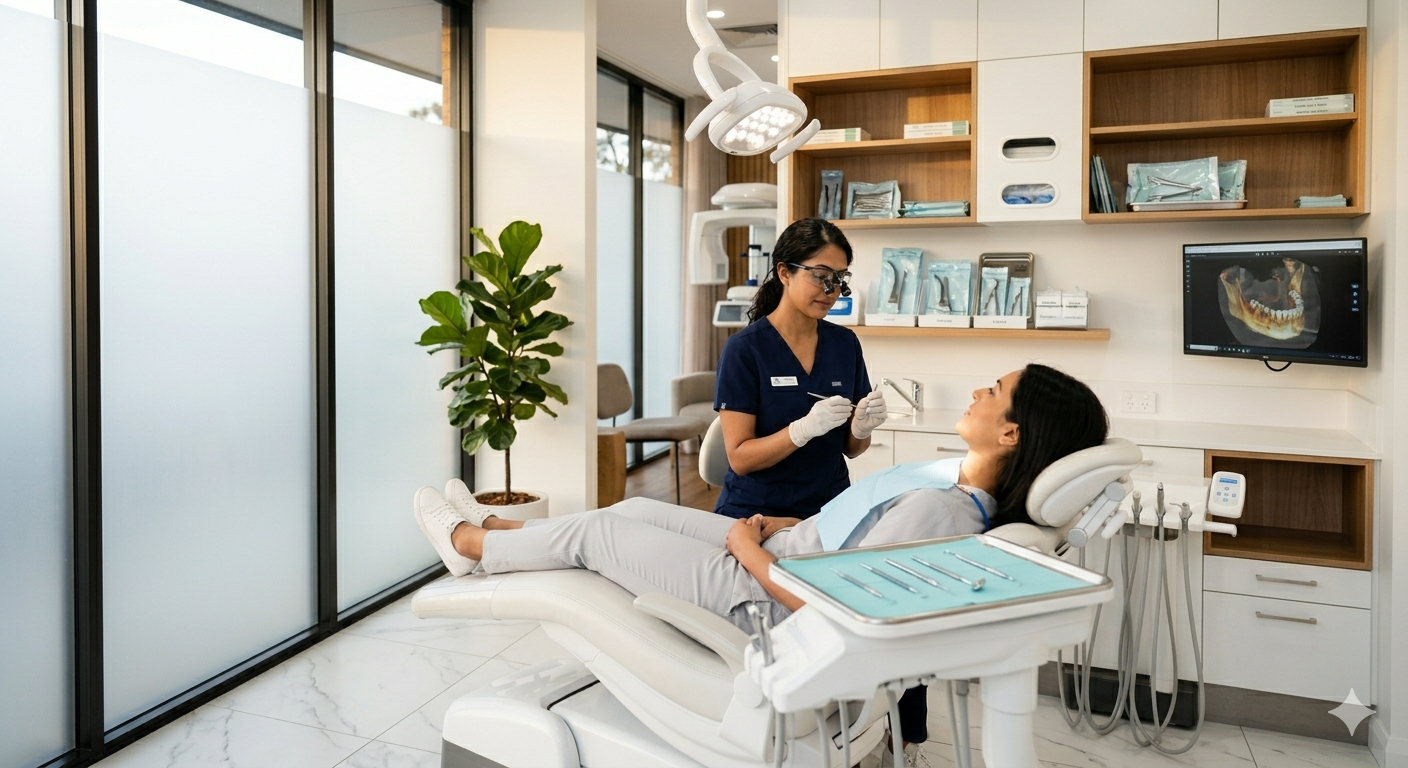
Taking good care of dental implants is essential for their durability and your overall oral health. Proper maintenance helps prevent complications that can affect the implant’s stability and function.
Long-Term Success Factors
Dental implants rely on healthy surrounding tissue and strong bone support to last many years. Consistent cleaning around the implant prevents plaque buildup, which can cause inflammation and bone loss.
Regular dental checkups are crucial. A dentist can evaluate the implant’s condition, check for any gum issues, and ensure the implant remains securely integrated with the jawbone.
Good oral hygiene habits, including brushing twice daily with a soft brush and flossing carefully around the implant, contribute significantly to long-term success.
Risks of Poor Maintenance
Neglecting implant care increases the risk of peri-implantitis, an infection that damages gum tissue and bone. This condition can lead to implant loosening or failure if untreated.
Ignoring signs like redness, swelling, or discomfort around the implant might allow problems to worsen. This makes treatment more complex and costly.
Poor maintenance also exposes the implant to unnecessary wear and bacterial growth, which compromises both the implant and surrounding teeth.
Protecting Your Investment
Dental implants are a significant investment in both health and confidence. Protecting them means following a routine that includes daily cleaning and avoiding habits like smoking or chewing hard objects.
Using specialized tools such as interdental brushes or water flossers can help clean hard-to-reach areas around implants. This prevents plaque from accumulating in spots regular brushing might miss.
Consulting regularly with a dentist allows for early detection of potential issues. It helps maintain the implant’s function and appearance, preserving your smile over time.
Building a Daily Oral Hygiene Routine
Maintaining dental implants begins with a consistent and careful daily oral care routine. Attention to brushing, choosing the right tools, and cleaning between teeth is essential to protect implants and surrounding gums from infection and damage.
Brushing Techniques for Implants
Gentle brushing around dental implants is crucial to avoid irritation or damage to the gum tissue. Using a soft-bristled toothbrush, the person should brush in small circular motions rather than harsh back-and-forth scrubbing.
It is important to clean all sides of the implant crown and the gum line carefully. Brushing twice a day for two minutes helps remove plaque that can lead to peri-implant diseases. Avoid aggressive brushing, which may weaken the implant area.
Choosing the Right Toothbrush
A soft-bristled toothbrush is best suited for dental implants. Options include manual brushes with soft bristles or electric toothbrushes with gentle pressure sensors.
Electric toothbrushes designed for sensitive gums can improve cleaning without excess force. The brush head should be small enough to reach all implant surfaces easily. Replace toothbrushes every three months or sooner if the bristles show wear to maintain effective cleaning.
Flossing and Interdental Cleaning
Regular flossing is key to removing debris and plaque between implants and natural teeth. Specialized implant floss or tape with a wider, flat surface helps clean without damaging gum tissues.
Interdental brushes or water flossers offer alternatives to traditional floss and can be easier for some patients to use. Using these tools daily prevents buildup in areas a toothbrush cannot reach, reducing inflammation and supporting long-term implant health.
Best Practices for At-Home Cleaning
Keeping dental implants clean requires a mix of gentle care and effective tools. Using the right products and rinses helps protect the implant without damaging the delicate tissues around it.
Using Implant-Safe Dental Products
Not all dental products are created equal when it comes to implants. Brushes with soft bristles are best to avoid scratching the implant surface or irritating gums. Special implant-friendly toothbrushes, like those with tapered or extra-soft bristles, offer better access without harm.
Flossing around implants needs care too. Waxed floss or implant-specific floss with stiff ends slides between teeth easier and reduces the risk of tiny gum injuries. Regular floss can shred or catch, increasing plaque buildup.
Electric toothbrushes can work well for implants, but choosing one with a soft brush head is crucial. Avoid harsh scrubbing motions; gentle circular strokes clean without stressing the implant area.
Mouthwash and Antibacterial Rinses
Mouthwashes can reduce bacteria and inflammation around implants but must be selected carefully. Alcohol-free, antimicrobial rinses are recommended because alcohol can dry out the mouth and irritate gums, slowing healing.
Chlorhexidine is often prescribed after implant surgery as a short-term rinse for its bacteria-fighting effects. However, long-term use is not advised because it may stain teeth or affect taste.
Natural rinses with ingredients like essential oils (eucalyptus, tea tree) can be a gentle daily option. These help maintain freshness and reduce bacterial levels without harsh chemicals.
Regular rinsing, combined with brushing and flossing, helps keep the implant area clean and healthy. Patients should always follow their dentist’s advice on appropriate products for their specific situation.
Preventing Common Implant Issues
Keeping dental implants healthy requires careful attention to gums, plaque, and early signs of trouble. Simple daily habits and timely responses can help avoid problems before they develop.
Avoiding Gum Inflammation
Gum inflammation around implants, known as peri-implant mucositis, can lead to more serious issues if left untreated. It usually starts with redness, swelling, or bleeding during brushing.
Patients should gently clean around their implant with a soft-bristled toothbrush and avoid harsh scrubbing. Using an antimicrobial mouth rinse, as recommended by a dentist, can reduce harmful bacteria that cause inflammation.
Regular checkups let the dentist spot early inflammation and apply appropriate treatments like professional cleanings or antibiotics if needed. Proper gum care keeps the tissue healthy and supports the implant’s long-term stability.
Recognizing Early Warning Signs
Early warning signs of implant problems include tenderness, persistent bad breath, and slight mobility in the implant. These symptoms can indicate infection or bone loss beneath the implant.
It is important to watch for any unusual discomfort or changes after implant placement. Small issues caught early often respond well to treatment and prevent implant failure.
Patients should report any pain or unusual symptoms promptly. Dental professionals can then assess factors like plaque buildup, tissue condition, and implant stability to recommend necessary interventions.
Managing Plaque Accumulation
Plaque buildup around implants poses a risk as it harbors bacteria that damage gums and bone. Unlike natural teeth, implants lack a periodontal ligament, so plaque control is even more vital.
Daily removal of plaque through thorough brushing and flossing is essential. Special tools, such as interdental brushes or water flossers, can clean tight areas around implant crowns where toothbrushes may miss.
Professional cleanings every 3 to 6 months are also key to managing plaque. Hygienists use instruments designed not to scratch implants while removing hardened deposits that brushing misses. This combined approach lowers infection risk and keeps implants secure.
Nutrition and Lifestyle Habits
Healthy eating and certain habits make a big difference in how well dental implants last. Specific foods can strengthen the gums and bone, while habits like smoking and drinking alcohol can cause problems around the implant site.
Foods That Support Oral Health
A diet rich in calcium, phosphorus, and vitamins C and D helps maintain strong bones and healthy gums. Dairy products, leafy greens, nuts, and fish are excellent choices. These nutrients support bone density, which is crucial for implant stability.
Crunchy fruits and vegetables, like apples and carrots, encourage saliva production. Saliva helps wash away food particles and neutralize acids that can harm implant sites.
Limiting sugary and acidic foods reduces the risk of gum inflammation around implants. Drinking plenty of water also keeps the mouth clean and promotes healing after implant placement.
Impact of Smoking and Alcohol
Smoking decreases blood flow to the gums, slowing healing and increasing the risk of implant failure. It also encourages bacterial growth, which can lead to infection around the implant.
Excessive alcohol intake may weaken the immune system and interfere with bone healing after implant surgery. It can also cause dry mouth, reducing saliva protection and increasing the chance of gum disease.
Cutting back on smoking and alcohol improves the chances of a healthy, long-lasting implant. Patients should discuss these habits openly with their dental specialist for tailored advice.
Professional Checkups and Cleanings
Regular professional care plays a crucial role in keeping dental implants healthy and functional. Scheduled visits help spot potential issues early and ensure implants stay securely anchored in the jaw.
How Often to Visit Your Dentist
A common recommendation is to see the dentist every six months after receiving dental implants. However, some patients may benefit from more frequent visits every three to four months, especially if they have a history of gum disease or implant complications.
These visits allow dentists to evaluate the implant’s stability, surrounding gum health, and bone condition. Keeping this schedule helps prevent problems like infection or bone loss, which can jeopardize the success of the implant in the long term.
What to Expect During Appointments
During professional cleanings, specialized tools are used to avoid damaging the implant surface while thoroughly removing plaque and tartar. The hygienist will focus on the gumline and the implant-abutment interface, areas prone to buildup.
The dentist will also check for mobility of the implant, gum inflammation, and signs of bone deterioration through visual examination and possibly X-rays. If any issues arise, they discuss treatment options clearly and compassionately.
These appointments blend prevention with careful assessment, helping patients maintain strong, healthy implants for years to come.
Caring for Implant-Supported Appliances
Maintaining implant-supported appliances requires attention to detail and a consistent routine. Focusing on effective cleaning methods and careful handling helps prevent damage and keeps the appliance functioning well.
Proper Cleaning Techniques
Cleaning implant-supported appliances involves more than brushing. Patients should use a soft-bristle toothbrush and low-abrasive toothpaste to avoid scratching the appliance. Daily brushing should target all surfaces, especially around the gum line where plaque tends to build up.
Interdental brushes or water flossers are helpful for removing debris between implants and under the appliance. It’s important to avoid metal picks or hard cleaning tools, which can damage both implants and the appliance.
Professional cleanings every 3-6 months allow dentists to remove hard-to-reach deposits and check for any issues. Following these steps reduces the risk of inflammation and ensures implant longevity.
Handling Removable Prosthetics
When handling removable implant-supported prosthetics, gentle care is vital. Patients should always remove the appliance over a soft surface, such as a folded towel or basin filled with water, to prevent accidental drops.
Before reinserting, the prosthetic should be rinsed thoroughly with lukewarm water. Avoid hot water as it can warp the materials. Daily soaking in a denture cleaner helps eliminate bacteria, but harsh chemicals should be avoided to preserve the appliance’s integrity.
Regularly inspecting the prosthetic for cracks or wear allows for timely repairs. This careful handling supports comfort and long-term use.
When to Contact Your Dental Team
If the area around the dental implant feels unusually sore or swollen for more than a few days, it’s a good idea to reach out to the dental team. Persistent pain or discomfort that doesn’t improve with normal care might signal that something needs attention.
Bleeding that won’t stop or gets worse after brushing or flossing near the implant also calls for a quick check-in. Sometimes, this can indicate gum irritation or infection.
If the implant feels loose or moves at all, contacting the dental office immediately is important. Stability is key for a successful implant, and early intervention can prevent bigger problems.
Other signs to watch for include pus or bad taste near the implant, difficulty chewing, or changes in how the teeth fit together.
Quick checklist to contact the dental team:
- Persistent pain or swelling after a week
- Uncontrolled bleeding near the implant
- Implant feels loose or moves
- Signs of infection like pus or bad taste
- Difficulty chewing or bite changes
Regular check-ups help prevent these issues, but don’t hesitate to call if something feels “off.” The dental team is there to ensure implants stay healthy and comfortable.
Empowering Your Smile Journey
Maintaining dental implants is more than just a routine; it’s a key part of embracing a confident smile every day. By following simple care habits, patients can protect their investment and enjoy lasting oral health.
Daily brushing and flossing remain essential. Using a soft-bristle toothbrush and non-abrasive toothpaste helps prevent damage around the implant. Special floss or interdental brushes designed for implants can reach tight spaces, removing plaque effectively.
Regular dental check-ups are crucial. Professionals can spot early signs of irritation or infection and provide timely treatments. These visits also include professional cleanings that keep implants free from buildup that regular brushes may miss.
Lifestyle choices influence implant health, too. Avoiding smoking and minimizing sugary snacks support healing and reduce risks like gum disease. Staying hydrated and eating a balanced diet promotes tissue strength around the implant site.
Helpful reminders for implant care:
| Care Step | Why It Matters |
|---|---|
| Gentle brushing | Protects implant and gums |
| Specialized flossing | Removes plaque in hard-to-reach |
| Routine dental visits | Early detection and professional care |
| Healthy lifestyle choices | Supports long-term implant success |
Encouraging patients to ask questions or share concerns ensures they feel comfortable with their implant care routine. Empowering them with knowledge turns maintenance into a positive, manageable part of their smile journey.
Frequently Asked Questions
Proper daily care and regular checkups are essential to keep dental implants healthy and long-lasting. Using the right tools and techniques prevents damage and supports gum and bone health around the implant.
How do I clean my dental implants at home without damaging them?
He should brush gently with a soft-bristle toothbrush twice daily, using non-abrasive toothpaste. Avoid hard scrubbing or using abrasive powders, which can scratch the implant surface.
Flossing carefully between the teeth and implants each day is also important. Special implant-friendly floss or interdental brushes can help remove plaque without harming the gums.
What tools or brushes work best for keeping the area around implants clean?
Soft-bristled toothbrushes and implant-specific interdental brushes are recommended. They reach tight spaces without causing irritation.
Floss designed for implants or water flossers may be used to supplement brushing. Choosing tools with gentle but effective cleaning action provides the best results.
Can I use a Waterpik on dental implants, and how should I set it up?
Yes, a Waterpik can be safe and effective for implants when used correctly. Set it to a low or medium water pressure to avoid gum irritation.
Direct the stream at a 90-degree angle to the gum line around the implant. This helps flush out debris and keeps the area clean without causing damage.
How often should I schedule professional cleanings and checkups for my implants?
Dental implants typically require checkups every 3 to 6 months. Regular professional cleanings remove plaque buildup that home care might miss.
The exact frequency depends on individual health, gum condition, and how well the implant site stays clean. Your dentist will recommend the best schedule during visits.
Do dental implants need to be removed for cleaning, or are they cleaned in place?
Dental implants stay in the mouth and are cleaned without removal. The dental professional uses specialized instruments to clean around the implant safely.
This approach keeps the implant stable and avoids unnecessary procedures while maintaining hygiene and gum health.
What does implant maintenance typically cost, and what factors can change the price?
Routine implant cleanings usually cost between $100 and $300 per visit. Costs vary based on location, dental office, and the complexity of care needed.
Additional treatments like deep cleanings or X-rays may add to the price. Insurance coverage and maintenance frequency can also affect overall expense.