
Being told that a dental bone graft may be needed can sound intimidating. In reality, bone grafting is a well-established procedure used to rebuild or preserve areas of the jaw that have lost bone. It may be recommended after an extraction, because of gum disease, or before dental implant treatment.
For patients researching bone grafting in Spring Hill, FL, understanding the purpose of the procedure can make the next steps feel much more manageable. A graft does not replace a missing tooth by itself. Instead, it helps create a stronger foundation that may support an implant or another planned restoration.
This article provides general educational information and is not a diagnosis or a substitute for care from a dentist. A clinical examination and dental imaging are needed to determine whether bone grafting is appropriate for an individual patient.
What Is Dental Bone Grafting?
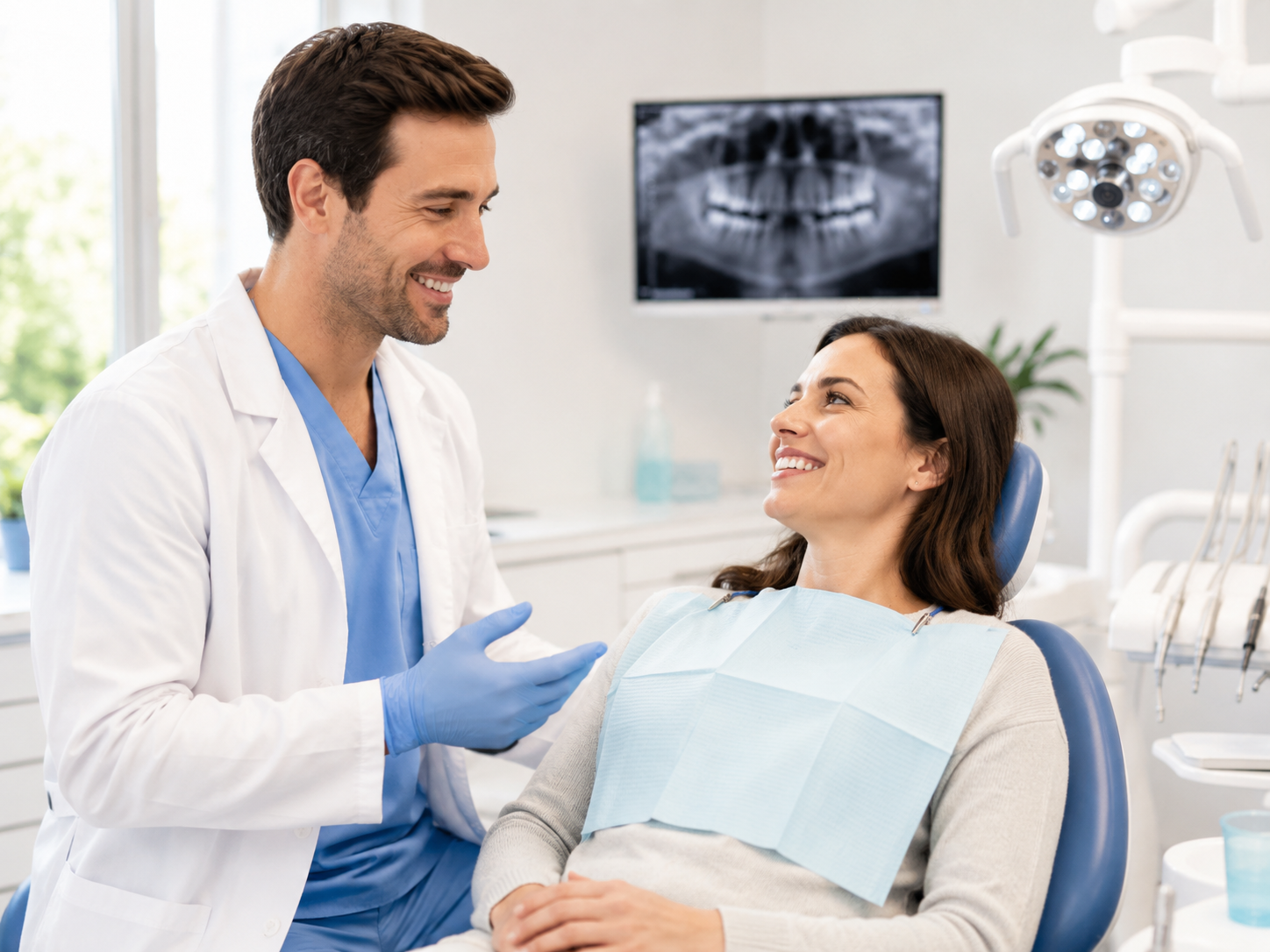
A dental bone graft adds grafting material to an area where the jawbone is too thin, too short, damaged, or at risk of shrinking. The material acts like a framework around which the body can form and remodel bone.
It may help to picture the jaw as the foundation of a house. A dental implant needs enough healthy bone around it for support. If part of the foundation has weakened, a dentist may recommend rebuilding it before placing the implant.
Bone grafting can have several purposes:
- Preserving the shape of the jaw after a tooth is removed
- Rebuilding bone that has already been lost
- Preparing an area for a future dental implant
- Supporting oral structures affected by periodontal disease or trauma
- Improving the available bone in certain areas of the upper or lower jaw
Dental Implants of Spring Hill provides bone grafting services for patients who need to restore bone volume or prepare their jaws for tooth replacement.
Why Does Jawbone Loss Occur?
Jawbone is living tissue that responds to pressure and stimulation. The roots of natural teeth help provide that stimulation during biting and chewing. When a tooth is lost, the surrounding bone no longer receives stimulation in the same way and may gradually change in shape and volume.
Other possible causes of jawbone loss include:
- Long-term tooth loss: An area that has been missing a tooth for some time may have less bone available for an implant.
- Periodontal disease: Advanced gum disease can damage the bone and tissues that support the teeth.
- Dental infection: An infection around a tooth or its root may affect nearby bone.
- Trauma: An injury involving a tooth or the jaw can result in a bone defect.
- Natural anatomy: Some patients naturally have a narrow ridge or limited bone near the sinus cavity or other anatomical structures.
- Previous dental treatment: The shape and condition of an extraction site can influence how the area heals.
Bone loss is not always obvious from looking in the mirror. A dental professional generally evaluates the area using an examination and appropriate imaging.
When Might a Bone Graft Be Recommended?
At the Time of a Tooth Extraction
A graft may be placed in an empty tooth socket immediately after an extraction. This is commonly called socket preservation. Its purpose is to help maintain the ridge’s shape and reduce the amount of structural change as the site heals.
Socket preservation does not guarantee that no additional treatment will ever be necessary. However, it may help maintain options for future tooth replacement.
Before Dental Implant Placement
A dental implant needs an adequate amount of healthy bone around it. If an evaluation shows that the planned site lacks sufficient volume, grafting may be recommended before implant placement.
In selected situations, a dentist may be able to place a graft and implant during the same appointment. In others, the graft needs time to integrate before the implant phase begins. The decision depends on the size and location of the defect, bone quality, implant stability, oral health, and the treatment plan.
For the Upper Back Jaw
The roots of the upper back teeth can sit close to the maxillary sinus. After these teeth are lost, there may not be enough vertical bone for an implant. A sinus augmentation or sinus lift is a specialized grafting procedure that may create additional room for bone in this region.
To Rebuild a Wider Area
Patients with more significant bone loss may need ridge augmentation. This treatment rebuilds the width, height, or contour of part of the jaw. It is typically more involved than placing graft material in a single extraction socket.
What Types of Grafting Material May Be Used?
“Bone graft” is a broad term. Different materials can serve as a framework for bone formation, and the recommended option depends on the clinical situation.
- Autograft: Bone collected from another area of the patient’s own body.
- Allograft: Processed donor material obtained through regulated tissue sources.
- Xenograft: Specially processed material originating from another species.
- Synthetic material: A manufactured bone substitute designed for grafting applications.
A membrane may also be placed over the graft to protect the area and help guide healing. Patients should feel comfortable asking what material is being recommended, why it suits their needs, and whether alternatives are available.
What to Expect During the Procedure
Treatment begins with a review of medical history, medications, oral health, and the planned restoration. Dental imaging helps the clinician assess bone dimensions and nearby structures.
During the appointment, the area is numbed with local anesthetic. Additional comfort or anesthesia options may be discussed when appropriate. The clinician then accesses the treatment site, places the selected graft material, and may cover it with a protective membrane. Sutures are often used to close and stabilize the area.
The exact experience varies considerably. A small graft placed after an extraction is different from rebuilding a larger section of the jaw. Before treatment, the dental team should explain the planned procedure, comfort options, home-care instructions, and follow-up schedule.
Recovery and Healing: Understanding the Different Phases
Bone graft recovery is not a single event. Several healing processes occur, and each has its own purpose.
Early Symptom Recovery
Some soreness, swelling, minor bruising, or light bleeding can occur after treatment. These symptoms should generally become more manageable rather than steadily worsen. Prescribed or recommended medications should be taken only as directed by the treating clinician.
Soft-Tissue Healing
The gum tissue begins closing and healing around the surgical site. Patients may feel better before the deeper graft has integrated, so it is important not to assume that the area has fully healed simply because discomfort has subsided.
Bone Remodeling and Integration
Below the gumline, the grafted area undergoes a slower biological process. The body gradually remodels the site and forms bone around or in place of the graft framework. The time required varies according to the type and size of the graft, its location, the patient’s health, and other clinical factors.
Implant Placement and Final Restoration
If grafting is part of implant treatment, placement of the graft is only one stage. The dentist must determine when the site is ready for the implant. After implant placement, the implant also needs to integrate with the surrounding bone. The final crown, bridge, or implant-supported prosthesis is completed only after the appropriate treatment stages are finished.
Because these phases are different, a patient may experience early comfort well before the bone is ready for an implant or final restoration.
Practical Home-Care Tips
Patients should follow their own clinician’s instructions, which may include:
- Avoiding direct brushing or disturbance of the surgical area until instructed
- Eating soft foods and chewing away from the treated site
- Avoiding smoking, vaping, and tobacco during healing
- Not pulling on the lip or cheek to inspect the graft
- Attending scheduled follow-up appointments
- Calling the office before changing prescribed medications or rinses
A few small particles near the site do not always mean the graft has failed, but the dental team should be contacted if there is concern. Increasing pain, worsening swelling, persistent bleeding, fever, drainage, a bad taste that does not improve, an opening at the surgical site, or signs of an allergic reaction deserve prompt professional guidance. Trouble breathing or swallowing requires urgent medical attention.
Benefits, Limitations, and Possible Risks
The main benefit of bone grafting is that it may preserve or rebuild the foundation needed for future dental care. For some patients, it can make implant treatment possible where there would otherwise be insufficient bone.
However, a graft cannot guarantee implant eligibility or a specific outcome. Healing depends on oral hygiene, gum health, overall health, tobacco exposure, the size of the defect, the procedure performed, and other individual factors.
Possible complications include infection, bleeding, delayed healing, wound opening, graft exposure, loss of graft material, injury to nearby structures, or the need for additional treatment. A clinician can explain which concerns are most relevant to the planned procedure and how they are managed.
Frequently Asked Questions About Bone Grafting
Is dental bone grafting painful?
The treatment area is typically numbed during the procedure. Some soreness and swelling may occur afterward, although the experience varies with the procedure’s extent and the individual patient. The dental team can review comfort options and aftercare before treatment.
Does everyone getting a dental implant need a bone graft?
No. Some patients already have enough healthy bone to support an implant. Others need a small graft, while more substantial bone loss may require a staged procedure. An examination and imaging are necessary to tell the difference.
Can the graft and implant be placed together?
Sometimes. Simultaneous treatment may be considered when the implant can achieve appropriate stability and the bone defect can be managed at the same visit. Larger or more complex defects may need to heal before implant placement.
How long does the entire process take?
There is no single timeline that applies to every patient. Early symptom relief, gum healing, graft integration, implant integration, and delivery of the final restoration are separate stages. The clinician can provide a personalized estimate after evaluating the site and developing a treatment plan.
How much does a dental bone graft cost?
Cost depends on the type and amount of grafting, the location being treated, imaging needs, anesthesia choices, and whether extraction or implant procedures are also involved. Insurance coverage varies. Patients can request a written treatment plan and ask their insurer which portions may be covered.
What happens if a patient decides not to have a recommended graft?
The answer depends on why grafting was advised. Without enough bone, an implant may not be possible in the preferred position, and continued bone changes can limit future options. A dentist can explain alternatives, including whether another form of tooth replacement may be appropriate.
Planning Bone Grafting in Spring Hill, FL
A thoughtful plan starts with understanding the condition of the jaw and the patient’s long-term goals. The consultation is a good time to ask what type of graft is recommended, whether it can be completed with another procedure, how healing will be monitored, and what alternatives are available.
Dental Implants of Spring Hill evaluates patients for bone grafting and dental implant treatment in Spring Hill, FL. Patients who have been told they lack enough bone—or who simply want to understand their options—can contact the Spring Hill office to schedule a consultation and receive recommendations based on their individual needs.