
You’ve just finished dental implant surgery and you want to heal quickly with as little fuss as possible. This post gives practical, expert-backed tips to control pain, reduce swelling, protect the implant site, and avoid setbacks so you can get back to eating, smiling, and daily life with confidence.
Follow simple steps—like gentle oral care, controlled activity, proper nutrition, and timely follow-up—to speed recovery and lower the risk of complications.
Expect clear explanations of the healing timeline, what discomfort is normal, when to call the office, and small habit changes that make a big difference in outcome and comfort.
Understanding the Dental Implant Healing Process
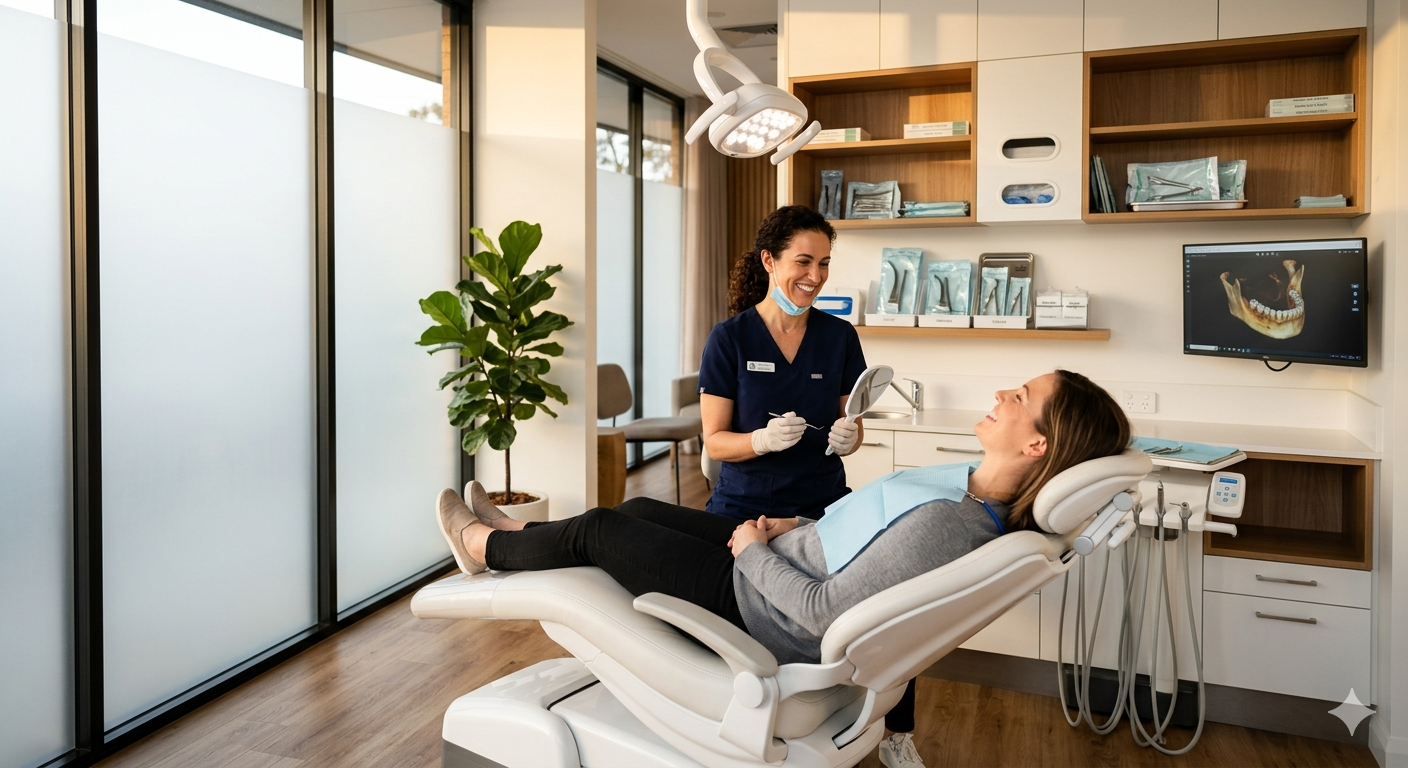
Dental implant healing involves tissue recovery, bone integration, and gradual return to full function. Patients should expect staged changes: immediate surgical healing, progressive bone integration (osseointegration), and final restoration steps that shape long-term success.
Key Stages of Recovery
Recovery begins with the surgical phase when the implant is placed into the jawbone. Soft tissues close around the site within 1–2 weeks; swelling and soreness peak in the first 48–72 hours then steadily decline.
Next comes osseointegration, when bone grows tightly around the titanium implant. This biologic bonding usually takes 8–16 weeks depending on bone quality and implant location. Successful osseointegration provides the stable foundation needed for the final crown or bridge.
After osseointegration, the restoration phase attaches the abutment and crown. Minor gum shaping or adjustments may occur to improve fit and aesthetics. Follow-up checks verify stability, bite alignment, and oral hygiene before finishing.
What to Expect in the First Week
The first 24–72 hours bring the most discomfort: localized swelling, minor bleeding, and dull pain managed with prescribed or over-the-counter analgesics. Icing the cheek intermittently for 10–15 minutes reduces swelling; avoid heat and strenuous activity.
Patients should follow a soft-food diet: soups, smoothies, mashed potatoes, and yogurt. Avoid hot liquids, crunchy foods, and using a straw for at least one week to reduce pressure and prevent dislodging the blood clot.
Oral hygiene requires gentle care. Rinse with saline or a prescribed antimicrobial mouthwash after 24 hours; avoid vigorous spitting. Brush nearby teeth carefully and follow the clinician’s instructions for sutures and follow-up appointments.
Factors Influencing Healing Time
Bone density plays a major role: thicker, denser bone (typically in the lower jaw) integrates faster than softer bone in the upper jaw. Smoking reduces blood flow and delays bone healing; patients who quit before and after surgery heal more predictably.
Systemic health affects outcomes. Diabetes, osteoporosis, and certain medications (bisphosphonates, immunosuppressants) can slow healing or require special planning. Nutritional status and adequate protein intake support tissue repair.
Surgical factors matter too: implant size, placement technique, and whether bone grafts were placed change timelines. Skilled surgical technique and following postoperative instructions shorten recovery and lower complication risk.
If questions or unusual symptoms arise—persistent severe pain, fever, or increasing swelling—contact the dental team promptly for assessment and tailored care.
Managing Discomfort and Swelling
Pain after a dental implant is usually manageable with short-term medication, cold packs, and rest. Swelling peaks 48–72 hours after surgery and typically subsides over a week with proper care.
Safe Pain Relief Methods
They should take prescribed analgesics exactly as directed. If the surgeon prescribes opioids, use them only for the shortest time needed and follow dosage limits; combine with acetaminophen or an NSAID if advised by the dentist to improve control and reduce opioid use.
Over-the-counter ibuprofen (200–400 mg every 4–6 hours) or naproxen (220 mg every 8–12 hours) works well for most patients unless contraindicated. Avoid aspirin for the first 24 hours if bleeding is a concern, and never exceed the maximum daily dose listed on the package or given by the dentist.
Topical anesthetic gels can relieve gum soreness at the implant site; apply sparingly and avoid swallowing. They should avoid alcohol, herbal pain remedies, or mixing medications without confirming safety with the dental office.
How to Reduce Swelling
Apply a cold pack to the cheek in 15-minute intervals for the first 24–48 hours to limit tissue inflammation. Use a thin cloth between skin and ice to prevent frostbite and stop cold therapy once swelling begins to decline.
After 48 hours, switch to warm compresses to encourage circulation and lymphatic drainage if swelling persists. Keep the head elevated while resting and sleep with an extra pillow for the first 2–3 nights to reduce fluid pooling.
Limit strenuous activity for at least 48–72 hours to avoid increased blood flow to the face. They should also follow any dietary recommendations — soft, cool foods minimize irritation — and avoid smoking, which impairs healing and increases swelling risk.
When to Contact Your Dentist
Contact the dental office if pain worsens after initial improvement or if pain becomes severe despite taking prescribed medicines. Persistent or increasing swelling beyond 5–7 days, new or spreading redness, or fever above 100.4°F (38°C) also requires prompt evaluation.
Notify the dentist about persistent bleeding that soaks through a gauze pad after two hours or any sudden numbness or tingling in the lip, chin, or tongue. If pus, an unpleasant taste, or difficulty breathing or swallowing occurs, seek emergency care immediately and call the dental practice.
Oral Hygiene During Recovery
Maintain clean surgical sites, avoid disrupting healing tissue, and use products that reduce bacteria without irritating the gum around the implant. Gentle mechanical cleaning, careful product choices, and breath-care strategies help prevent infection and support tissue integration.
Gentle Cleaning Techniques
He or she should rinse with a prescribed saline or chlorhexidine solution for the first week, using a slow swish and gentle spit to avoid pressure on the implant site. Brushing should begin the day after surgery with a soft-bristled toothbrush, using light circular motions—avoid scrubbing or direct force over the implant area.
A post-op irrigator or syringe can remove food debris from the socket without touching the wound; fill with warm saline and flush gently once or twice daily. When sutures remain, they should not be tugged; instead, clean around them with a moistened cotton swab or an interdental brush sized to the gap, using minimal pressure.
If bleeding or increased pain occurs during cleaning, stop and contact the dental office. Gradually increase brushing pressure and range after two weeks, following the clinician’s timeline for advancing to regular oral hygiene.
Products to Use and Avoid
Use a soft-bristled toothbrush, non-abrasive toothpaste (low RDA), and an alcohol-free antimicrobial mouthwash like 0.12% chlorhexidine if prescribed. A fluoride toothpaste for daily cavity prevention is fine once brushing feels comfortable. For interdental cleaning, choose monofilament floss or a soft interdental brush that fits the space without forcing.
Avoid abrasive whitening toothpastes, coarse brushes, and peroxide rinses during initial healing, as they can irritate soft tissue and slow recovery. Steer clear of alcohol-containing mouthwashes and hydrogen peroxide for at least two weeks unless the clinician approves. Do not use toothpicks, hard plastic picks, or tobacco products near the implant site.
If sensitivity persists, a desensitizing toothpaste may be introduced after one week, or sooner if recommended. Always follow the implant surgeon’s specific product recommendations and return for checkups before changing care routines.
Maintaining Fresh Breath
He or she should address dry mouth, food traps, and bacterial buildup to keep breath fresh during recovery. Encourage sipping water frequently and chewing sugar-free gum (xylitol) away from the surgical site to stimulate saliva without disturbing healing tissue.
Use a tongue scraper gently once tolerated; the dorsal tongue harbors most odor-causing bacteria. An alcohol-free antimicrobial rinse twice daily helps reduce malodor-causing microbes; avoid vigorous swishing that could disrupt the clot or implant.
Manage diet to minimize strong-smelling foods—onions, garlic, and heavily spiced meals—during early healing. If persistent bad breath continues beyond two weeks, advise the patient to contact the dental office for evaluation of infection or other complications.
Eating and Drinking After Dental Implants
Patients should focus on soft, nutrient-rich foods that avoid pressure on the implant site, while keeping hydration steady and steering clear of hard, crunchy, or sticky items that could disturb healing.
Recommended Foods
Soft proteins help support healing without requiring heavy chewing. Examples include mashed or pureed chicken, soft-cooked fish, scrambled eggs, Greek yogurt, and silken tofu. These deliver protein for tissue repair and are easy to eat.
Cooked vegetables should be soft and cut small. Steamed carrots, mashed potatoes, and well-cooked squash provide vitamins and fiber without stressing the implant. Pureed soups and blended vegetable broths add nutrients and warm comfort.
Smooth carbohydrates and gentle fruits work well. Oatmeal, cream of wheat, ripe bananas, applesauce, and soft berries are good choices. Cold or room-temperature items can reduce swelling and discomfort after procedures.
Foods to Avoid
Avoid hard, crunchy foods that can fracture a temporary restoration or press on the surgical site. This includes nuts, chips, hard candy, and raw carrots. Biting into these can destabilize an implant during early healing.
Steer clear of sticky or chewy items that pull at the gum line. Caramels, taffy, chewing gum, and certain dried fruits can dislodge sutures or stick to provisional crowns. They also trap food around the implant, raising infection risk.
Limit spicy, acidic, or very hot foods initially. Citrus, hot sauces, and steaming soups can irritate healing tissues and increase soreness. Also avoid alcohol and tobacco, which impair blood flow and slow osseointegration.
Hydration Tips for Healing
Encourage steady fluid intake to support circulation and reduce swelling. Water is best; aim for small, frequent sips rather than large gulps to avoid disturbing the site. Room-temperature or cool fluids usually feel more comfortable after surgery.
Avoid drinking through a straw for at least one week. Sucking creates negative pressure that can dislodge blood clots and delay healing. If liquids need to be controlled, tilt the head and sip gently from a cup.
Choose beverages that support recovery. Low-sugar electrolyte drinks can help if appetite is low, and blended smoothies with protein powder, milk, or fortified plant milks provide calories and nutrients. Skip carbonated drinks and alcohol during the initial healing phase.
Daily Habits That Support Healing
Good daily habits protect the surgical site, reduce swelling, and lower infection risk. Small changes in rest and activity make a measurable difference during the first two weeks after implant placement.
Importance of Rest
Rest promotes clot stability and soft-tissue healing after implant surgery. The patient should sleep with the head elevated on two pillows for the first 48–72 hours to limit blood pooling and swelling. Short naps are fine, but prolonged bending or heavy lifting increases blood pressure and risks dislodging the clot.
Adequate sleep also supports immune function. The patient should aim for 7–9 hours per night and avoid alcohol or sedating medications that impair restorative sleep unless prescribed. Nighttime mouth breathing can dry tissues; using a humidifier helps keep oral mucosa moist and comfortable.
Minimize talking and avoid chewing on the surgical side for several days. Soft meals, small bites, and sipping through a straw (if approved by the clinician) prevent mechanical irritation. If pain wakes the patient, follow the prescribed analgesic schedule rather than waiting for severe pain to return.
Physical Activity Guidelines
Light activity like short walks increases circulation without raising blood pressure excessively. The patient can take 10–20 minute walks starting the day after surgery, increasing frequency as comfort allows. Avoid strenuous exercise, weightlifting, and high-impact sports for at least 1–2 weeks or until the clinician clears them.
Avoid activities that require forceful jaw movement, such as contact sports, heavy resistance training, or yoga inversions that increase intracranial pressure. Swimming and hot tubs should be avoided for 72 hours to lower infection risk from contaminated water. If bleeding or increased swelling occurs after activity, stop immediately and rest upright.
Follow the dentist’s timeline for returning to regular exercise; they may recommend gradual progression over 1–4 weeks depending on bone quality and whether grafting occurred. If the patient feels dizziness, significant bleeding, fever, or severe pain during activity, contact the dental office promptly.
Recognizing Signs of Complications
Monitor the surgical site, overall health, and any changes in pain or swelling in the days and weeks after implant surgery. Early recognition and prompt action reduce the risk of implant failure and other problems.
Symptoms Requiring Immediate Attention
Signs that need urgent contact with the dentist or oral surgeon include sudden, severe pain that does not respond to prescribed pain medication and intensifies after the first 48–72 hours. Persistent bleeding that soaks a few gauze pads within an hour, or new, profuse bleeding after initial control, requires same-day evaluation.
High fever (over 101°F / 38.3°C), chills, or systemic symptoms suggest spreading infection and need prompt medical assessment. Increased facial swelling that worsens after 72 hours or swelling that obstructs breathing or swallowing is an emergency. A loose implant, movement of the prosthetic tooth, or a change in bite that appeared suddenly should be reported immediately; these can indicate failed osseointegration or mechanical complications. Any pus, foul taste, or drainage from the site also warrants urgent care.
Preventing Infection
Maintain the prescribed oral hygiene routine to lower infection risk: gentle saltwater rinses (½ teaspoon salt in 8 oz warm water) 3–4 times daily starting 24 hours after surgery, and careful brushing with a soft-bristled toothbrush avoiding direct trauma to sutures. Follow antibiotic instructions exactly if prescribed, and complete the full course even if symptoms improve.
Avoid smoking and nicotine for at least two weeks, as they reduce blood flow and delay healing. Keep soft, non-irritating foods in the diet and avoid using straws for 7–10 days to prevent dislodging the clot. Watch for signs of poor hygiene or foreign-body irritation—food trapped under a prosthesis, rough edges, or broken sutures—and contact the dental office for cleaning or suture removal. Regular follow-up appointments enable professional inspection and early treatment if bacterial contamination appears.
Follow-Up Care and Long-Term Success
Regular checks and consistent home care protect the implant and surrounding tissues. Timely visits catch early problems and routine habits maintain bone and gum health.
Attending Post-Procedure Visits
Patients should expect a schedule of visits: a 1-week check for healing, a 2–4 week visit for soft-tissue assessment, and a 3–6 month appointment to confirm osseointegration and prosthesis fit. The clinician will remove sutures if present, check for signs of infection, and verify that the implant feels stable when tested.
Bring a list of medications and any unusual symptoms such as persistent pain, swelling, or mobility. X-rays at 3–6 months and annually thereafter document bone levels around the implant and identify early bone loss before symptoms appear.
Follow the clinic’s recall interval; many offices move to 6–12 month hygiene visits after the first year. Missing maintenance visits increases the risk of peri-implantitis and prosthetic complications.
Building Lasting Oral Health Habits
Daily cleaning should include twice-daily brushing with a low-abrasive toothpaste and interdental cleaning once per day using floss, interdental brushes (size guided by the clinician), or water flossers. Focus on cleaning at the gum line and around the implant crown margins where plaque accumulates.
Use an antimicrobial mouthrinse if recommended, especially for patients with a history of gum disease. Avoid hard, sticky foods on the implant crown during the first months; later, maintain a balanced diet to support bone health, including calcium and vitamin D.
Quit smoking and limit heavy alcohol; both impair healing and raise the risk of implant failure. Report grinding or clenching; a night guard may be prescribed to protect the implant and surrounding teeth. Schedule professional cleanings and follow personalized hygiene instructions to preserve long-term success.
Emotional Wellbeing and Confidence
Recovery affects more than the mouth; it alters daily routines, appearance, and social comfort. Practical strategies and small celebrations can ease anxiety, rebuild confidence, and keep healing on track.
Coping with Nerves or Setbacks
Patients often feel anxious before adjustments or when progress seems slow. Encourage them to track pain, swelling, and mobility in a short daily log to spot real trends rather than worry over single bad days. If pain spikes or signs of infection appear—fever, increasing redness, pus—contact the dental office promptly.
Recommend breathing exercises and short distraction techniques for chairside nerves: inhale for four counts, hold two, exhale six, repeated three to five times. Suggest bringing a support person, music, or a stress ball to appointments. For cosmetic concerns during healing, temporary prostheses or a scarf can help maintain confidence until final restorations are placed.
Setbacks like loose healing caps or delayed osseointegration require specific actions. Follow prescribed antibiotics, avoid putting pressure on the implant site, and attend follow-up imaging. A clear plan from the clinician—what to watch for, when to return, and what the next steps are—reduces uncertainty and restores a sense of control.
Celebrating Milestones
Acknowledging progress boosts morale and reinforces good habits. Mark practical milestones: first pain-free day without medication, removal of sutures, completion of osseointegration scans, or placement of the final crown. Patients can note these in a recovery journal or share updates with supportive friends or family.
Clinicians can offer tangible milestones too, such as a checklist for dietary progression, photos of healing stages, or a timeline for prosthetic steps. Small rewards—new toothbrush, a favorite meal within dietary limits, or a social outing when cleared—provide motivation. Positive reinforcement makes adherence to cleaning routines and follow-up visits feel worthwhile.
Visual evidence helps confidence grow. Encourage patients to take gentle, consistent photos of their smile under similar lighting. Comparing images over weeks shows progress that words alone may miss and helps the patient appreciate the steady improvements leading to a fully restored smile.
When to Resume Normal Activities
Patients can usually return to light daily activities within 24–48 hours after implant surgery. Walking, desk work, and gentle household tasks are generally safe, provided they avoid bending or heavy lifting that raises blood pressure and could increase bleeding.
Strenuous exercise, heavy lifting, and contact sports should wait at least 1–2 weeks. These activities risk swelling, bleeding, or dislodging the healing clot. Heavier resistance training or impact sports may require a longer pause based on healing and the surgeon’s advice.
Driving is acceptable once any sedative or strong pain medication has worn off. If they feel drowsy, lightheaded, or are taking narcotics, they should not drive. Local anesthesia alone does not prevent driving but patients should check comfort and reaction times.
Eating returns gradually from soft to firmer foods over 1–4 weeks. Start with soft, nutritious options (yogurt, mashed potatoes, smoothies) and avoid nuts, seeds, and crunchy items until the implant site feels stable. Chewing on the opposite side helps protect the surgical site.
Work and social plans depend on the procedure’s complexity. Simple placements often allow a next-day return to work; multiple implants or bone grafts may need several days off. Always follow the dentist’s personalized timeline and book follow-up visits for evaluation.
If swelling, heavy bleeding, fever, or increasing severe pain occurs, contact the dental office immediately. They will advise on whether activity should be reduced and may schedule an earlier check-up.
Encouragement and Next Steps
Recovery after a dental implant often feels slower than expected, but steady progress is normal. They should remember that most swelling and soreness peak in the first 48–72 hours and then gradually improve.
Patients can track small wins: less pain, easier eating, and improved sleep. These signs mean tissues are healing and the implant is integrating.
If unusual symptoms appear — increasing pain, heavy bleeding, or fever — they should contact their dental team promptly. Early attention prevents minor issues from becoming major problems.
Use this simple checklist to guide the next weeks:
- Follow medication and care instructions exactly.
- Keep follow-up appointments for checks and X-rays.
- Eat soft, nutrient-rich foods and avoid smoking.
They should plan for gradual diet progression and normal oral hygiene milestones. Brushing gently, rinsing with prescribed solutions, and returning to routine cleanings support long-term success.
Emphasize communication with the dentist: ask about timelines, expected sensations, and when to resume activities. A quick call can relieve worry and ensure recovery stays on track.
Invite them to schedule their next appointment or reach out with concerns. The dental team expects questions and welcomes the chance to help each patient feel confident about their healing.
Frequently Asked Questions
These answers give specific timelines, typical time off work, pain expectations, diet guidance, reasons some clinicians advise avoiding dairy, and how full-mouth or All-on-4 recovery differs from a single implant. Each response focuses on practical steps patients can take to protect the implant site and speed predictable healing.
What does a normal dental implant healing timeline look like, week by week?
Week 1: Expect swelling, mild-to-moderate pain controlled with prescribed or OTC meds, and soft-food limits. Stitches, if placed, often stay 7–10 days and may be removed or dissolve.
Weeks 2–4: Swelling and bruising should substantially subside; most daily activities resume. Soft tissue heals and tenderness declines, though chewing on the implant side may still feel sensitive.
Weeks 6–12: Bone starts integrating with the implant (osseointegration). Many patients report steady improvement and can progress to firmer foods as directed.
Months 3–6: Osseointegration becomes solid for most implants; restorative work (abutment and crown) usually occurs in this window. Final sensitivity and function normalize over this period.
How many days off work do most people need after getting a dental implant?
Single implant: Many patients return to nonstrenuous work the next day. Two to three days off is common if they experience moderate swelling or discomfort.
Complex cases or sedation: Procedures using IV sedation, bone grafting, or multiple implants often require 3–7 days off. Plan conservatively if heavy lifting or intense concentration is needed.
How much pain should I expect after implant surgery, and when should it start improving?
Immediate pain: Moderate pain is normal the first 48–72 hours and responds to prescribed analgesics and ice packs. Peak discomfort usually occurs the first day.
Improvement timeline: Noticeable improvement by day 3–4 and marked reduction by the end of week 1. If severe pain, increasing swelling, fever, or drainage develop after 72 hours, contact the dentist promptly.
What can I eat during recovery, and which foods should I avoid to protect the implant site?
Safe foods: Yogurt (if not contraindicated), smoothies, mashed potatoes, scrambled eggs, pureed soups, applesauce, and protein shakes. Cool or warm (not hot) foods reduce irritation.
Foods to avoid: Hard, crunchy, sticky, or chewy foods (nuts, chips, steak, gum) for 2–6 weeks depending on the clinician’s advice. Avoid alcohol and smoking, which impair healing.
Why do some dentists recommend avoiding dairy right after implant surgery?
Bacterial concerns: Fresh dairy can coat the mouth, potentially trapping bacteria near the surgical site in the first 24–48 hours. This may increase infection risk for some patients.
Inflammation and clotting: Dairy’s texture can interfere with forming stable blood clots in the socket for immediate post-extraction implants. Dentists who see that risk often suggest delaying dairy for 24–48 hours.
How is recovery different for full-mouth implants or All-on-4 compared to a single implant?
Extent and discomfort: Full-mouth or All-on-4 procedures involve more bone work and longer surgery times, so initial swelling and discomfort are usually greater. Pain control and rest periods tend to be longer.
Diet and activity: Patients often follow a strict liquid-to-soft diet for 2–6 weeks and restrict strenuous activity for several weeks. Follow-up visits for adjustments and monitoring occur more frequently.
Treatment timeline: Osseointegration and final prosthetic steps take longer and may require staged appointments. The provider gives a customized timeline based on grafts, bone quality, and overall health.